
Regenerating Landscapes. Maintaining Nature. Protecting Assets.
Our services
Ecological & Landscape Maintenance Across Victoria
- Details
- Written by: Regen Administrator
- Category: Uncategorised
- Hits: 312
Warralily
Warralily Overview
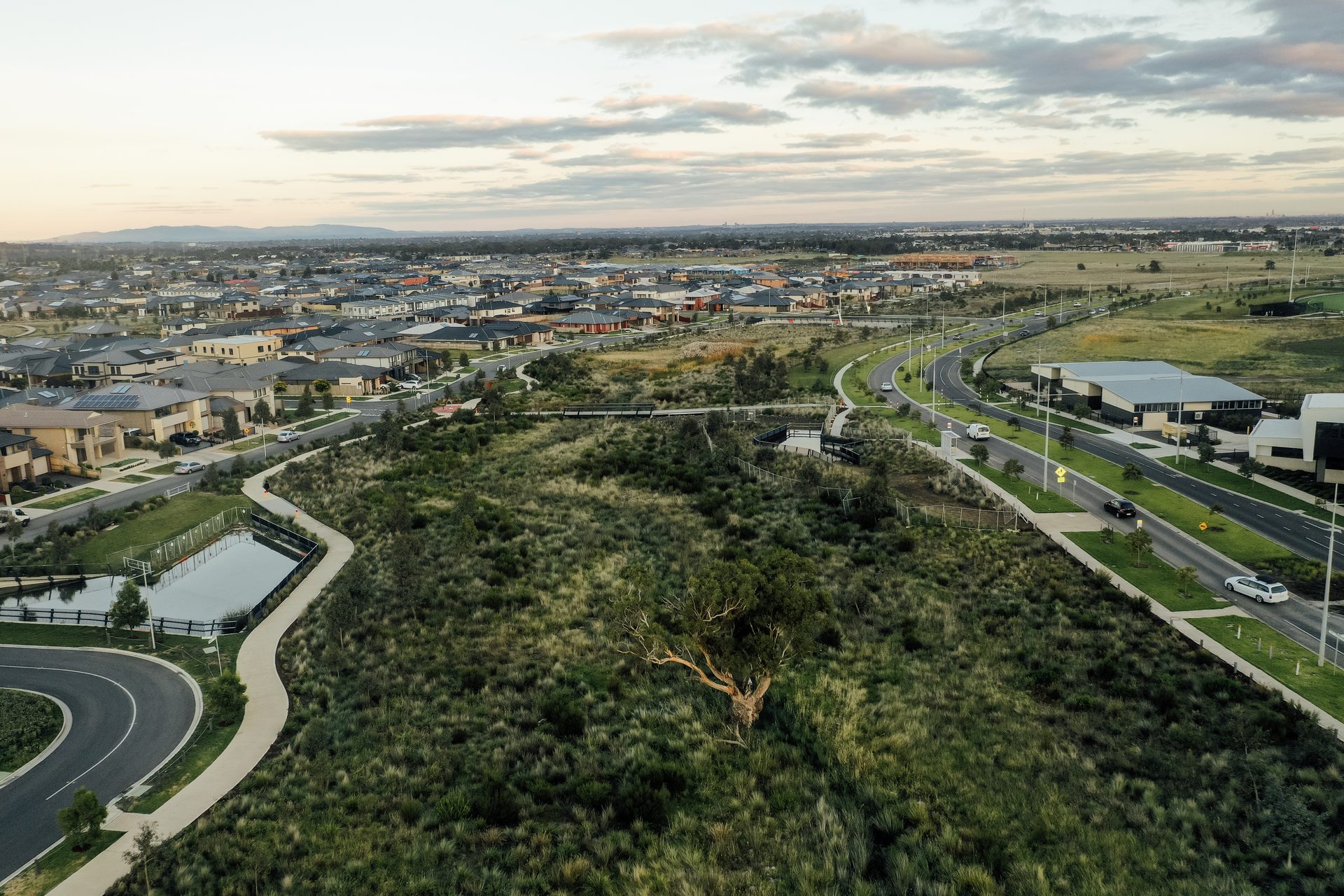
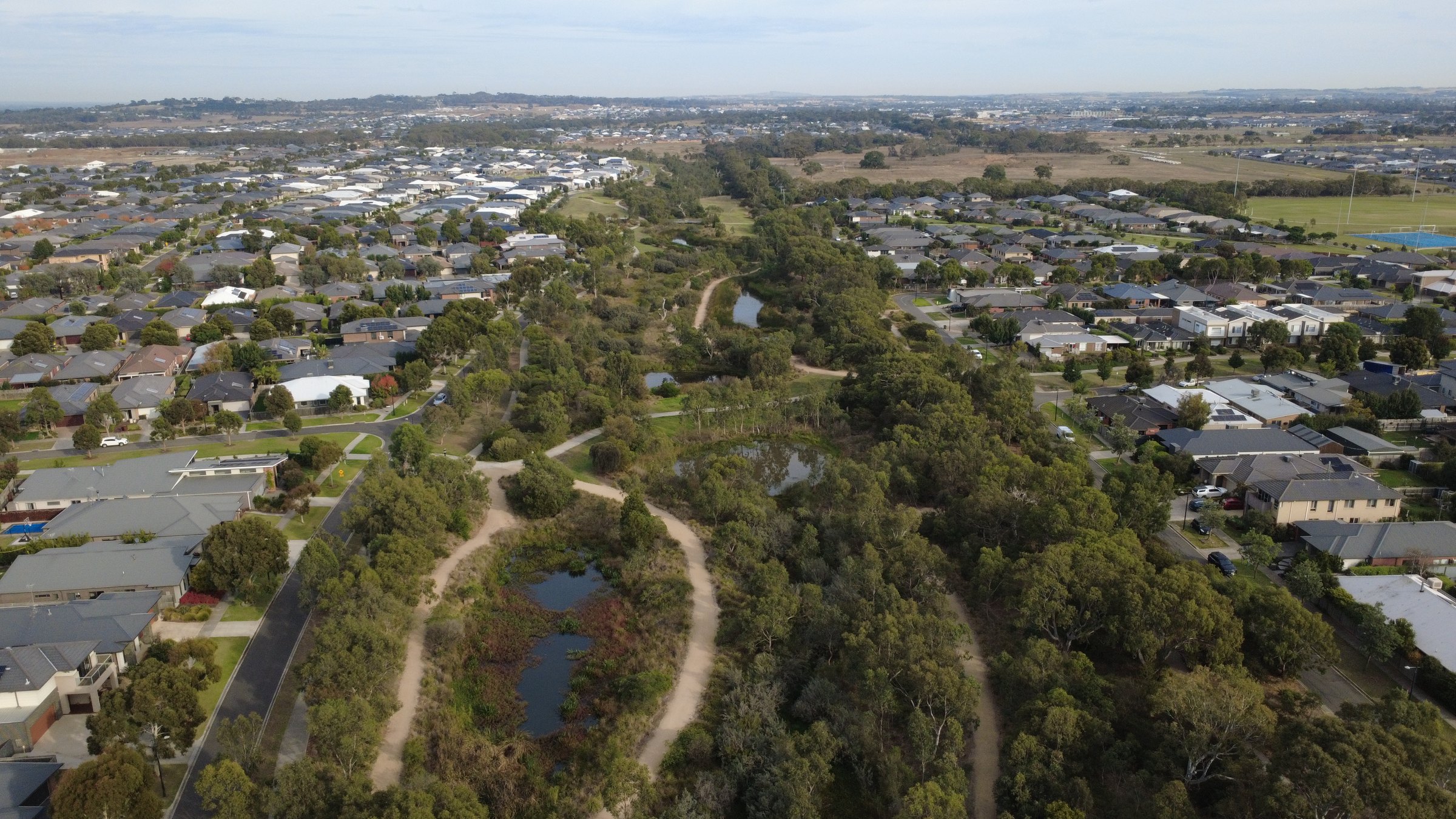
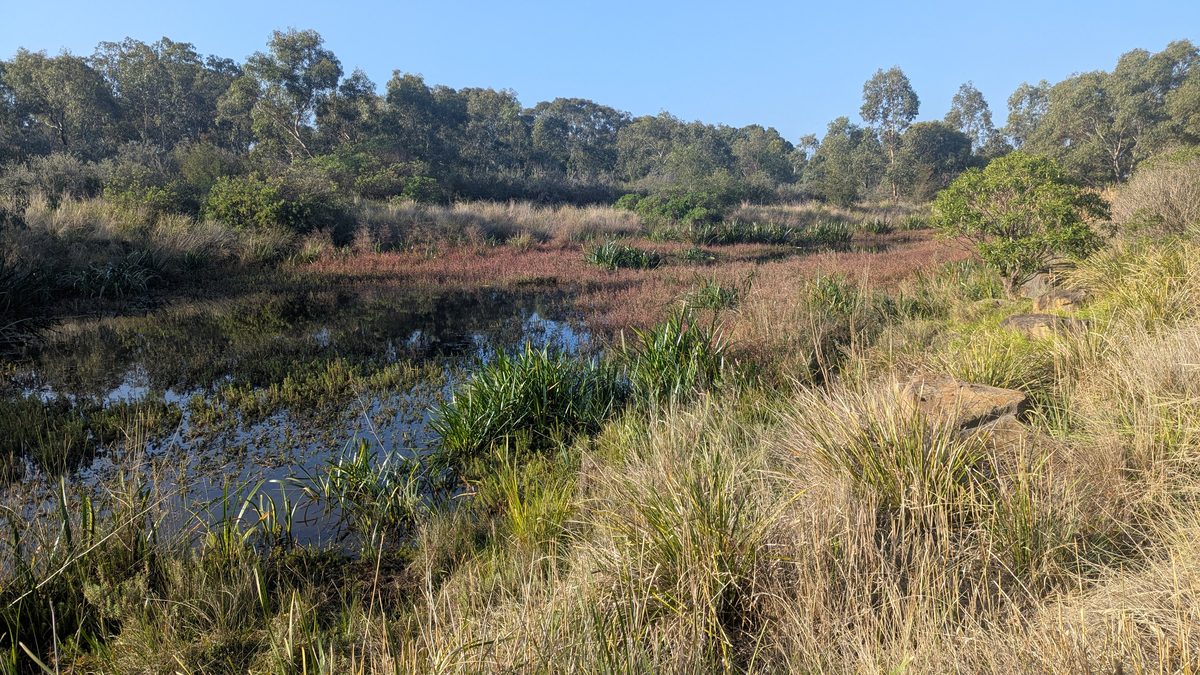
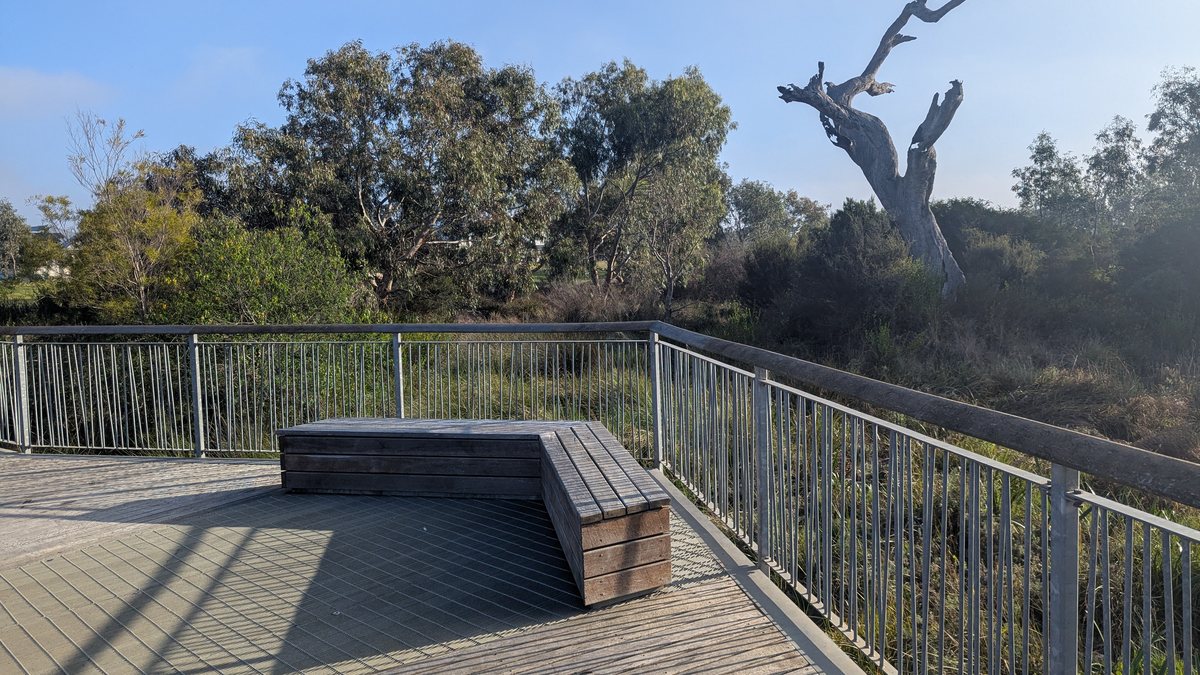
The Warralily project is one of Victoria's largest integrated environmental restoration initiatives, transforming more than five kilometres of creeklines into thriving native landscapes. By restoring grasslands, woodlands and waterways, the project is improving water quality, reconnecting fragmented habitat and creating vibrant open spaces for both wildlife and the community.
Delivered through a collaborative approach, Warralily demonstrates how large-scale restoration can create lasting environmental, social and ecological outcomes.
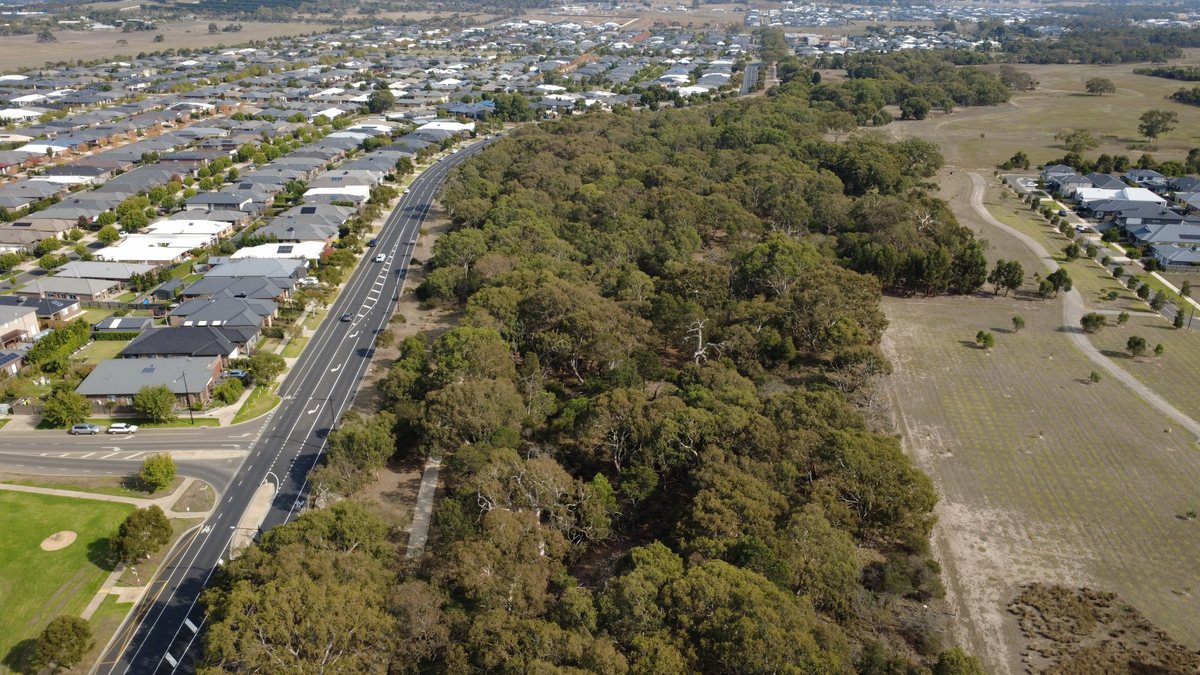
Regen Nurseries propagated and supplied more than one million locally indigenous plants for the restoration of the Warralily landscape near Geelong. Working alongside Australian Ecosystems, Regen Planters and Regen Environmental Management, the project restored more than five kilometres of creeklines, together with extensive grassland and woodland vegetation communities.
The works included large-scale revegetation, habitat restoration, creekline rehabilitation and long-term establishment and maintenance to ensure the landscape continues to mature and thrive.
The primary objective of the project was to restore connected native ecosystems that improve biodiversity, strengthen waterway health and create valuable open space for the growing Warralily community.
Objective
- Restore 5km of indigenous creeklands, grassland and woodland ecosystems.
- Reconnect fragmented remnant vegetation across the landscape.
- Improve water quality through natural ecological processes.
- Create safe habitat and wildlife corridors for native species.
- Deliver attractive open spaces that encourage recreation and connection with nature.
- Support long-term ecological resilience through ongoing maintenance and management.
Services Delivered
- Native plant supply
- Ecological restoration
- Environmental maintenance
- Monitoring & establishment
- Weed management
Project Partners
Restoration Results
The restoration has already transformed the landscape, with more than one million indigenous plants establishing across creeklines, grasslands and woodlands.
The project is improving water quality, increasing biodiversity and creating extensive habitat for native wildlife, while also delivering attractive green spaces where the community can walk, rest and connect with nature.
Perhaps most importantly, Warralily is reconnecting previously fragmented remnant forests, creating continuous ecological corridors that allow native animals to safely move through the landscape in search of food, shelter and breeding habitat.
Warralily showcases the power of integrated ecological restoration, demonstrating how large-scale collaboration can rebuild healthy ecosystems that benefit both people and nature for generations to come.
Project Video
Explore Other Projects
- Details
- Written by: Regen Administrator
- Category: Uncategorised
- Hits: 368
Octave Estate Southern Brown Bandicoot Habitat Restoration
Octave Overview
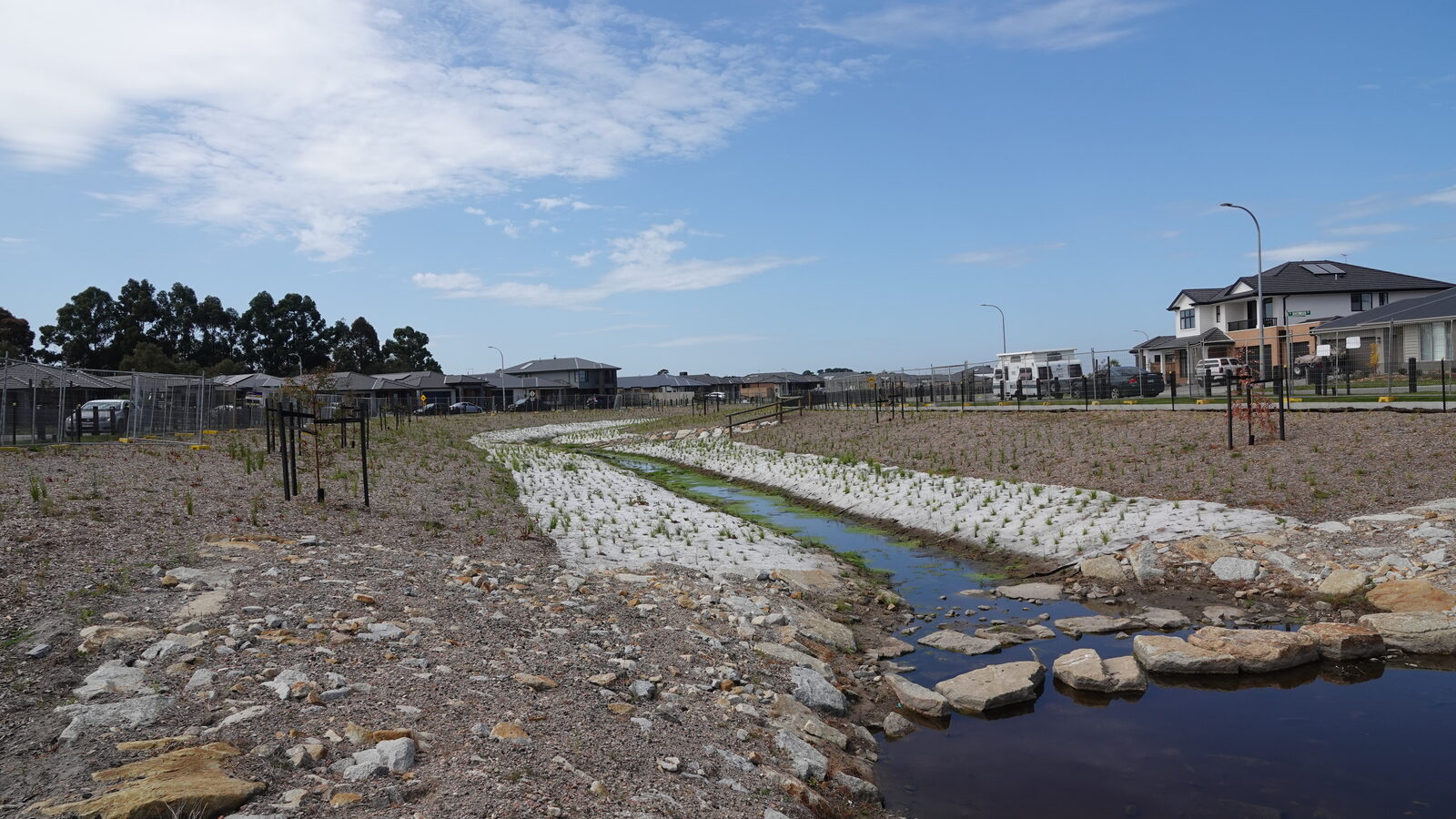
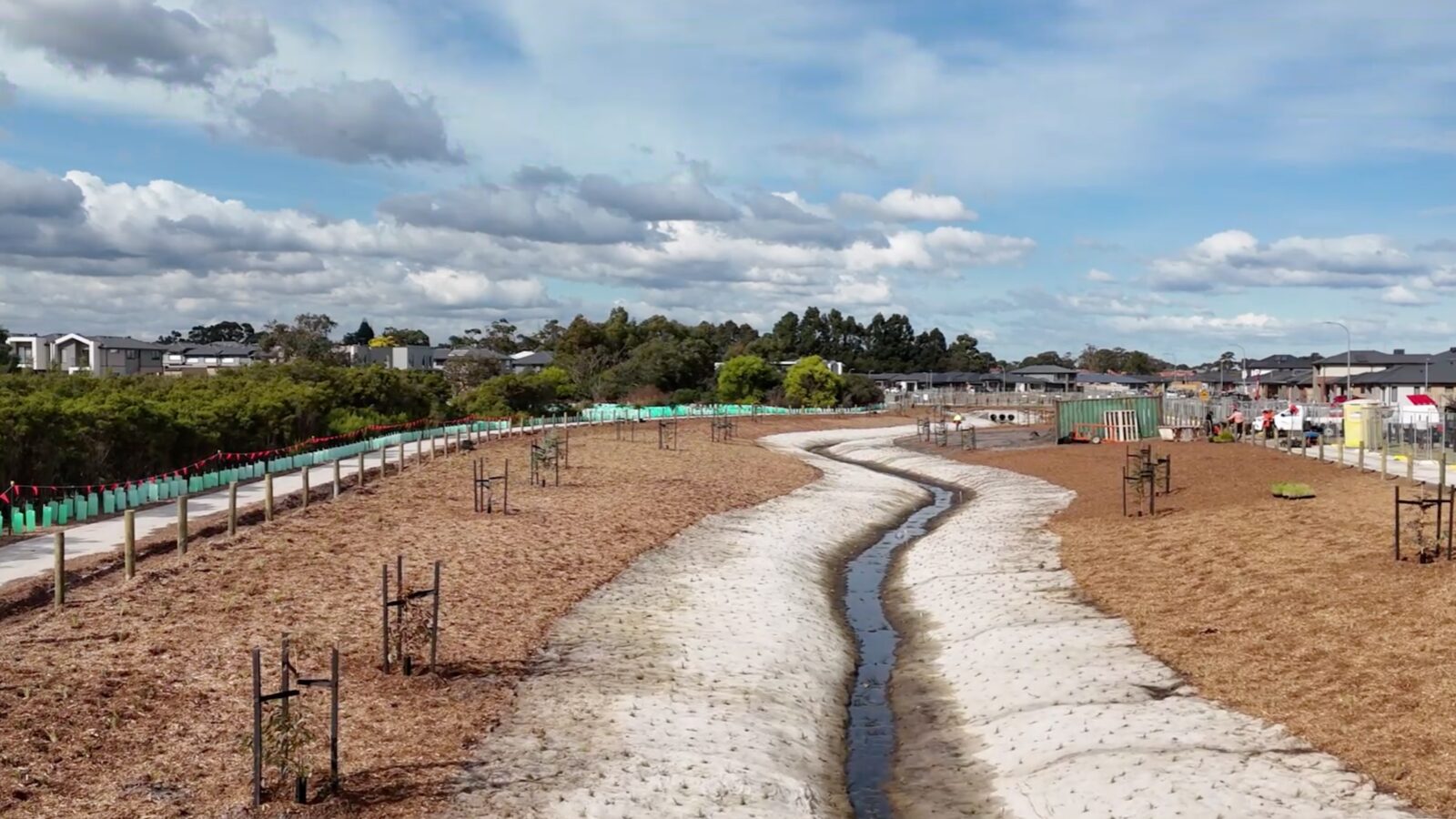
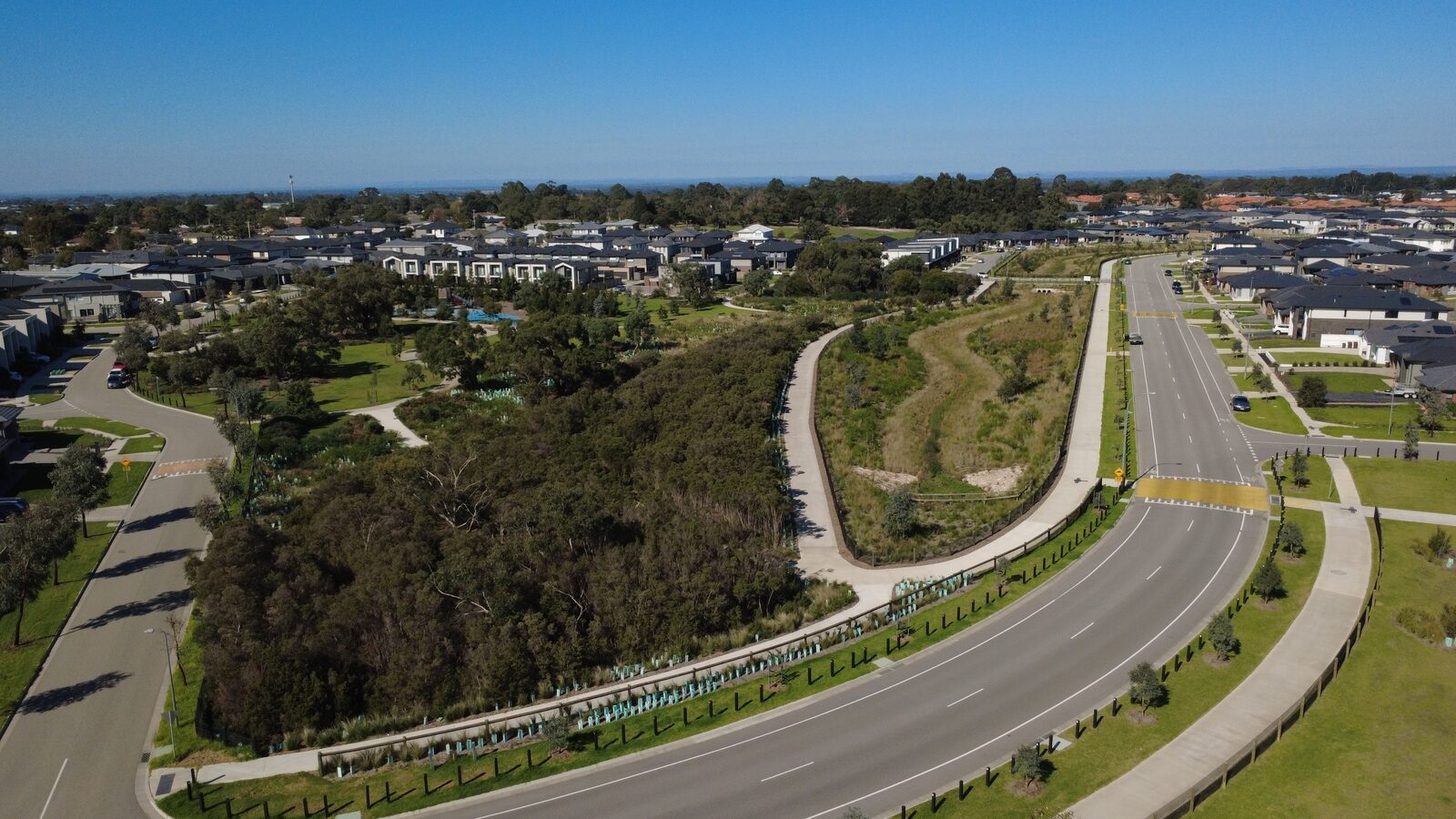
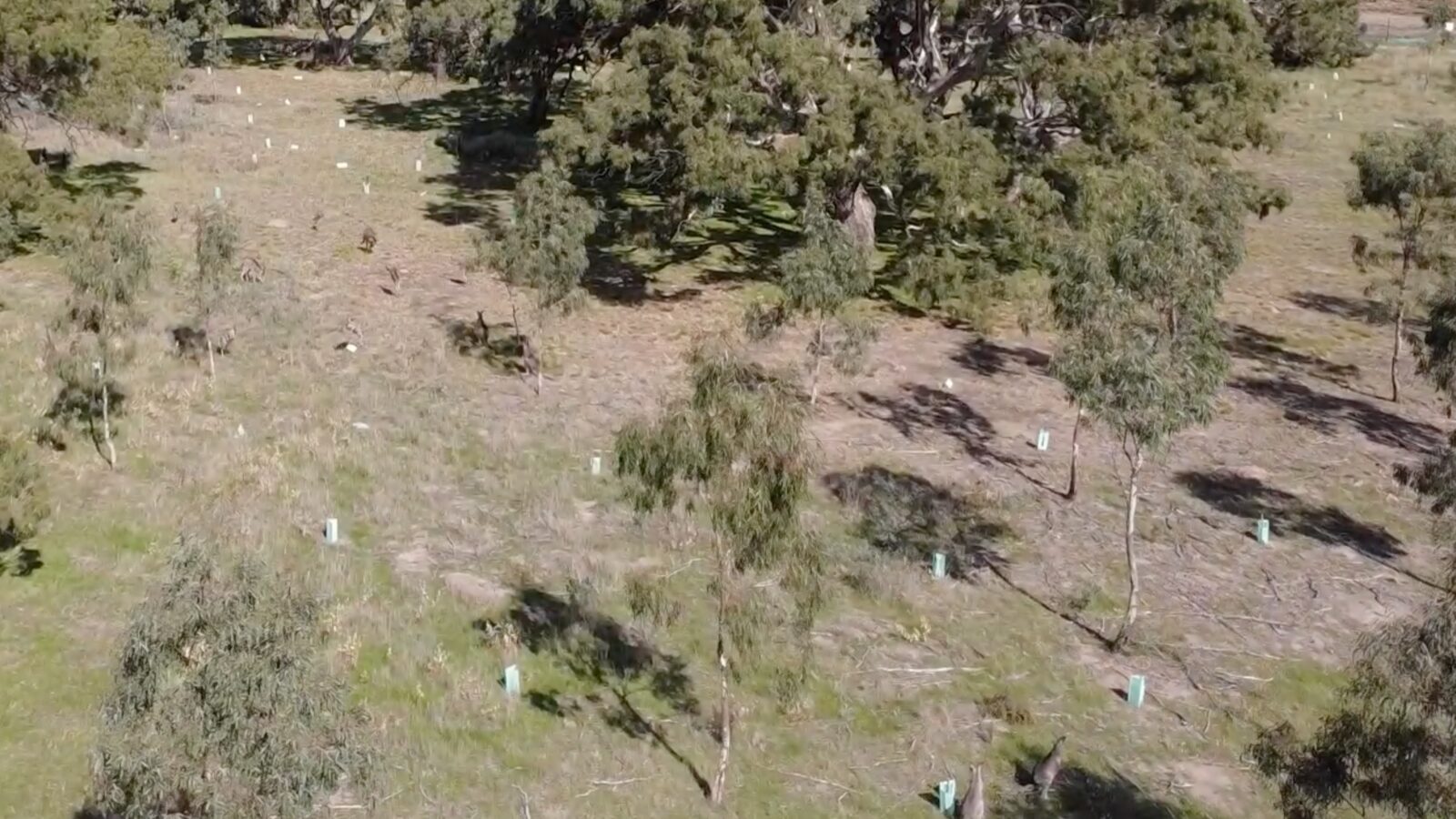
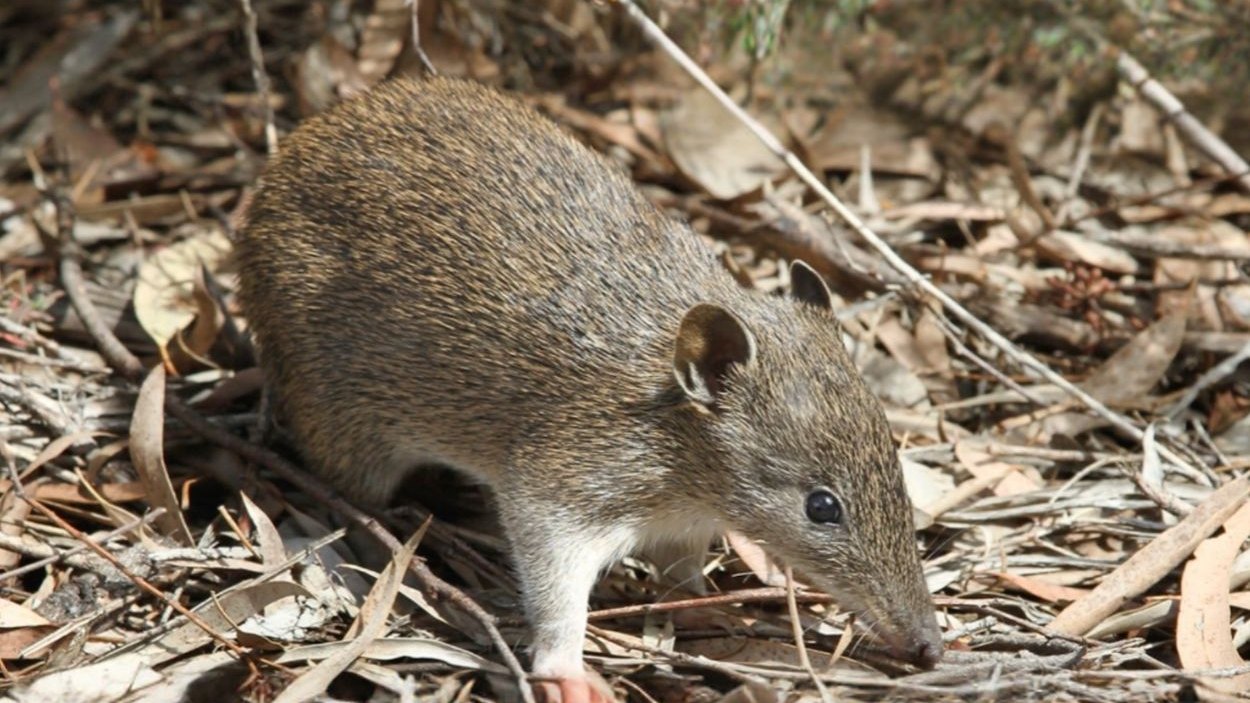
Project Octave demonstrates how large-scale ecological restoration can help rebuild habitat for one of Victoria's most threatened native mammals, the Southern Brown Bandicoot. Through locally indigenous planting, ecological expertise and collaborative delivery, the project is transforming a degraded site into a diverse, resilient landscape.
Regen Nurseries collected locally indigenous seed and propagated more than 110,000 plants for this large-scale habitat restoration project. Working alongside Regen Planters, GBLA and Jinding Developments, the project established a diverse native landscape designed to recreate the dense ground-layer vegetation essential for the Southern Brown Bandicoot and other native wildlife.
The works included large-scale revegetation using locally indigenous species, habitat creation and ecological restoration to improve biodiversity and strengthen long-term ecosystem resilience.
The primary objective of Project Octave is to restore high-quality indigenous habitat that supports the Southern Brown Bandicoot while enhancing biodiversity across the site.
Objective
- Restore locally indigenous vegetation communities.
- Create dense, structurally diverse habitat for native wildlife.
- Improve ecosystem resilience using local provenance plants.
- Deliver long-term biodiversity outcomes through sustainable landscape restoration.
Services Delivered
- Native plant supply
- Ecological restoration
- Environmental maintenance
- Monitoring & establishment
- Weed management
Project Partners
Restoration Results
Just 18 months after planting, the transformation is already evident. The site has developed into a dense, layered native landscape that is beginning to function as intended, providing valuable habitat and improving biodiversity across the project area.
Project Octave demonstrates how ecological expertise, local provenance seed and large-scale nursery production can deliver measurable environmental outcomes and create landscapes designed to support native wildlife for generations to come.
Project Video
Explore Other Projects
- Details
- Written by: Regen Administrator
- Category: Uncategorised
- Hits: 272
The Grove
The Grove Overview
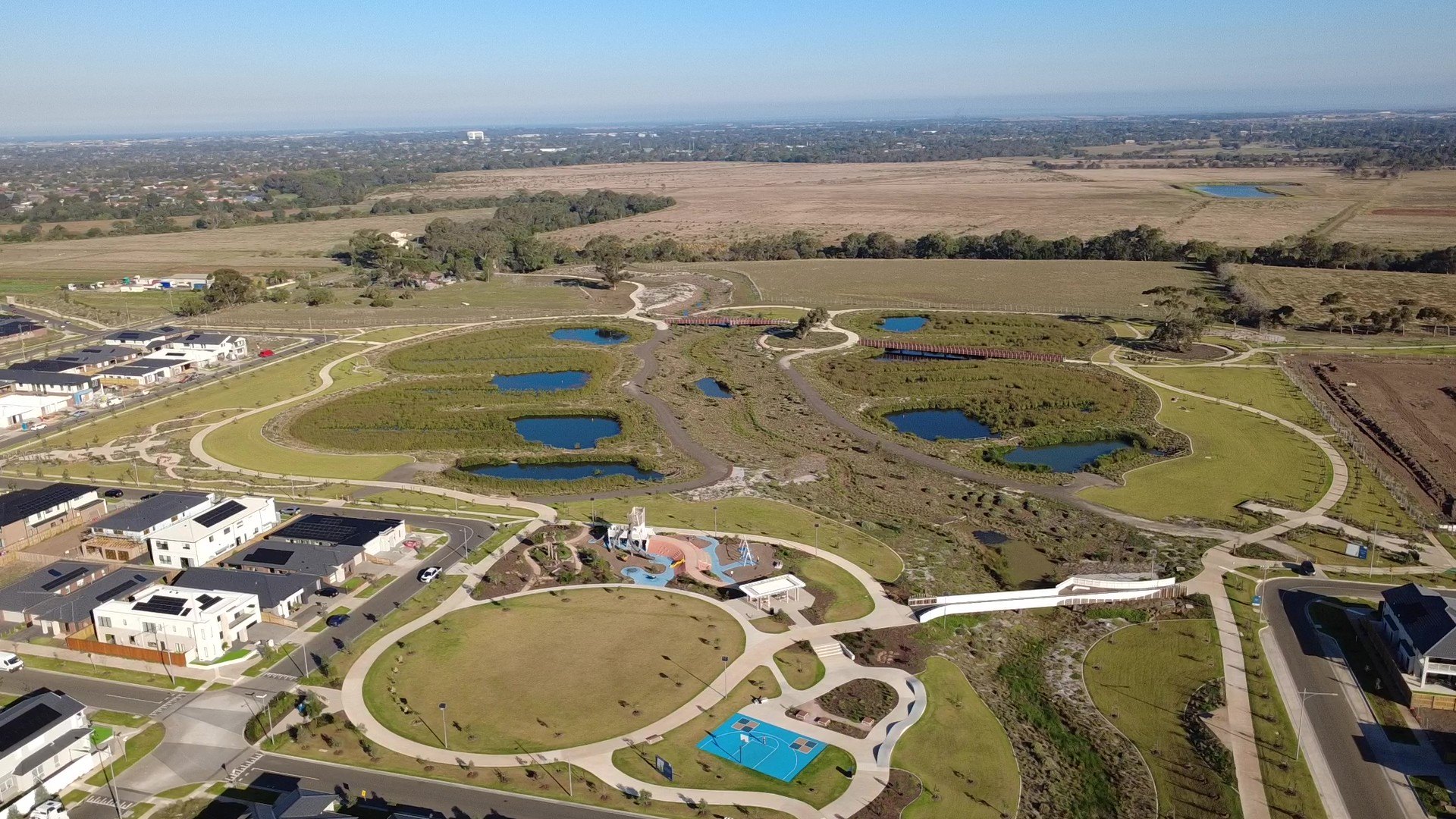
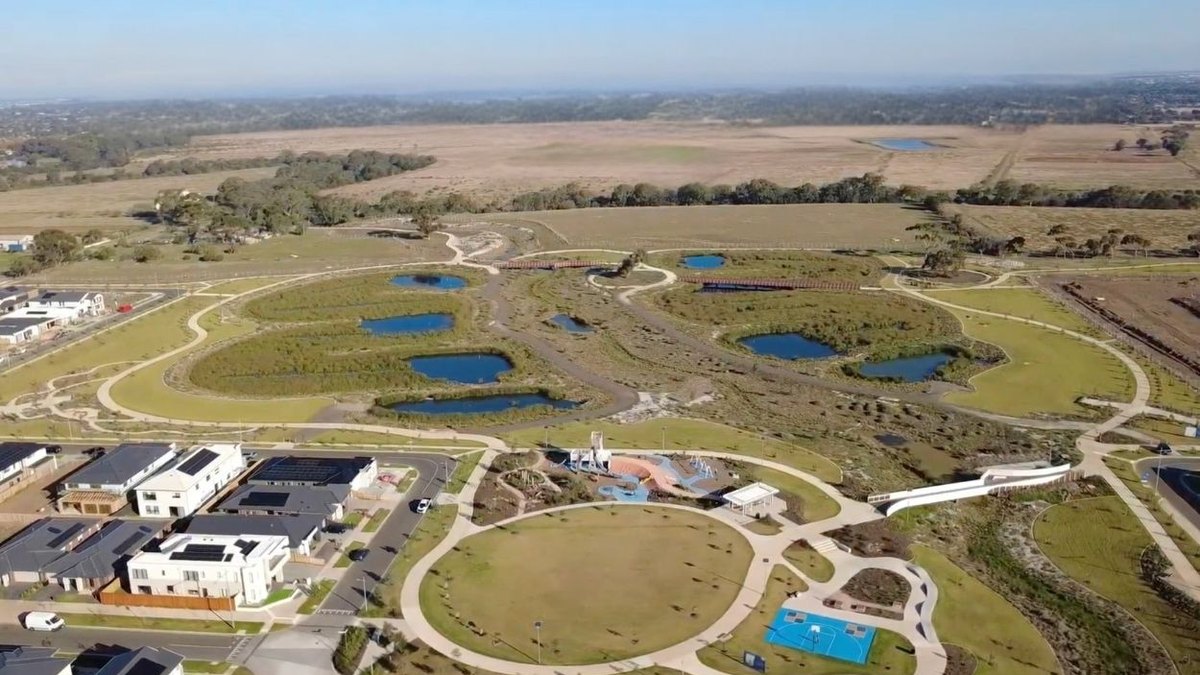
The Grove in Tarneit is an example of how successful landscape restoration relies on careful planning, quality plant production and expert project delivery. By integrating site preparation, large-scale planting and ongoing establishment, the project has created a thriving open space that delivers lasting ecological and community benefits.
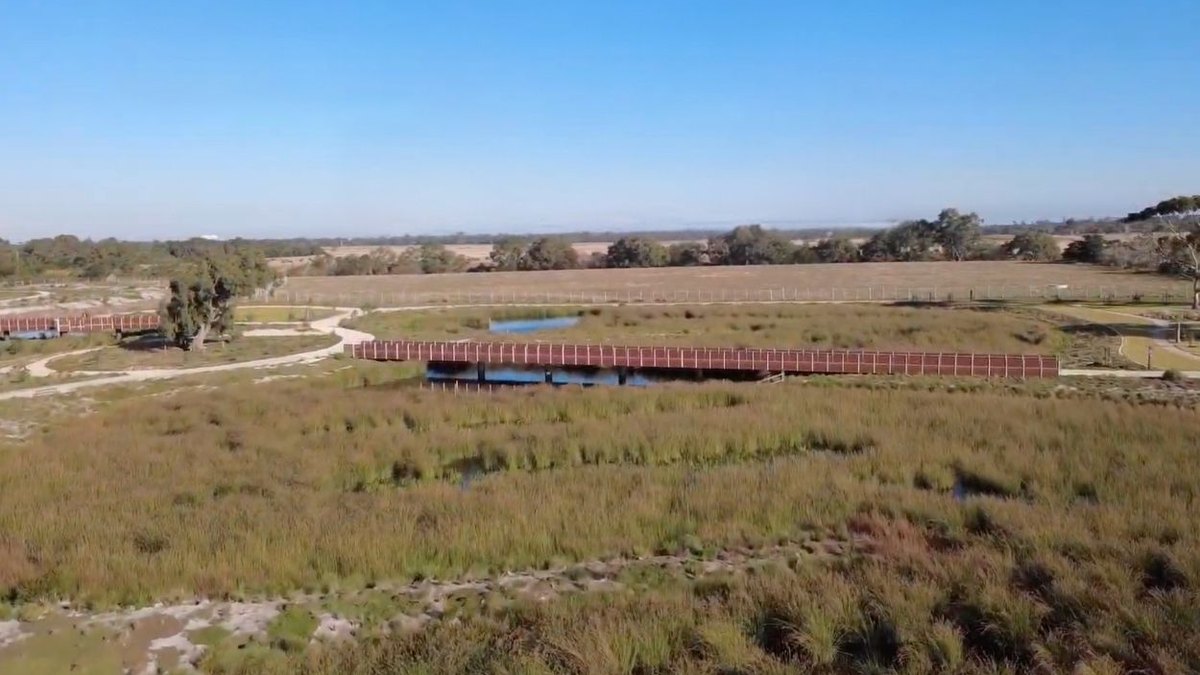
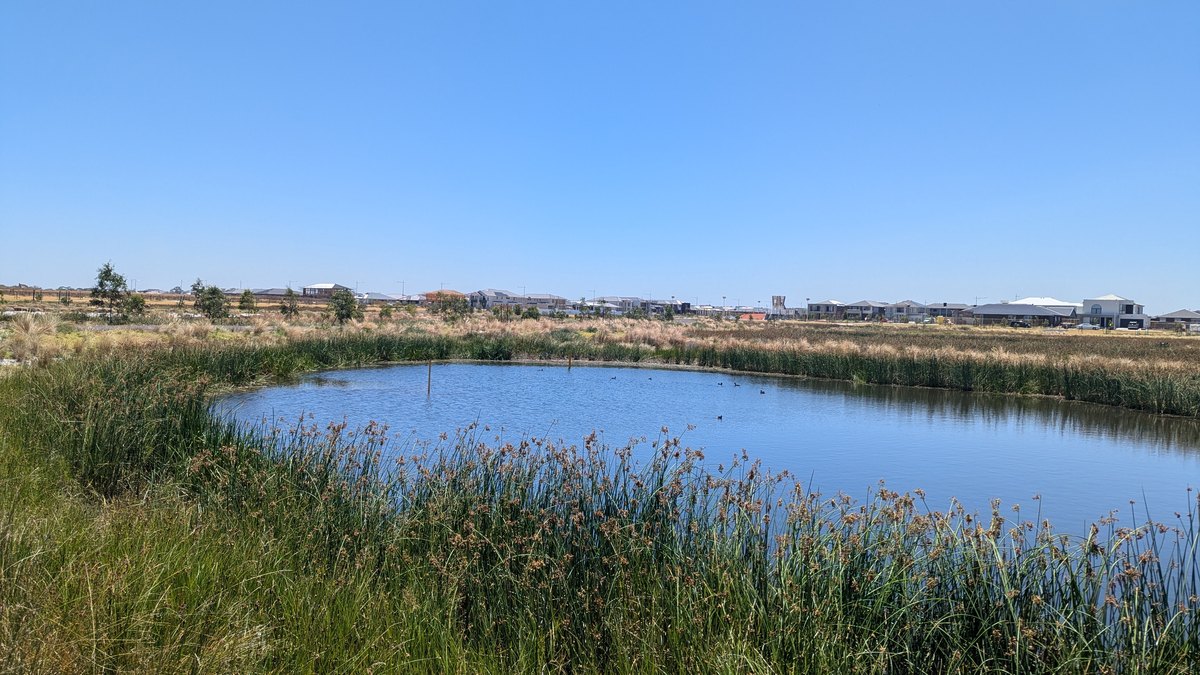
Regen Nurseries propagated more than 150,000 locally indigenous plants for the large-scale landscape restoration at The Grove in Tarneit. Working alongside Australian Ecosystems, Regen Planters, SMEC and Frasers Property Group, the project included comprehensive landscape construction works, including topsoil preparation, advanced tree planting, jute mat installation, mulching, turf, street furniture and extensive revegetation.
Together, these elements have created a resilient landscape designed to support biodiversity, enhance public open space and provide long-term value for the growing community.
The project was designed to establish a high-quality landscape that balances ecological restoration with functional public open space.
Objective
- Restore indigenous vegetation across the site.
- Create resilient landscapes suited to local environmental conditions.
- Improve biodiversity and habitat value.
- Deliver attractive, functional open spaces for the community.
- Achieve long-term establishment through best-practice restoration techniques.
Services Delivered
- Native plant supply
- Ecological restoration
- Environmental maintenance
- Monitoring & establishment
- Weed management
Project Partners
Restoration Results
One of the project's most significant achievements is its plant survival rate of more than 95%, demonstrating the effectiveness of the integrated restoration approach.
The site has established into a healthy, resilient landscape that provides valuable habitat, enhances biodiversity and creates attractive open spaces for the local community. The Grove highlights how thoughtful planning and collaboration can deliver landscapes that are not only installed successfully but continue to thrive long after construction is complete.
Project Video
Explore Other Projects
- Details
- Written by: Regen Administrator
- Category: Uncategorised
- Hits: 286
Eynesbury Wetlands
Eynesbury Wetlands Overview
The Eynesbury project demonstrates how ecological restoration and landscape construction can work together to create vibrant public open spaces. Combining wetlands, waterways, parklands and indigenous planting, the project has transformed the site into a resilient landscape that supports biodiversity while providing lasting community amenity.
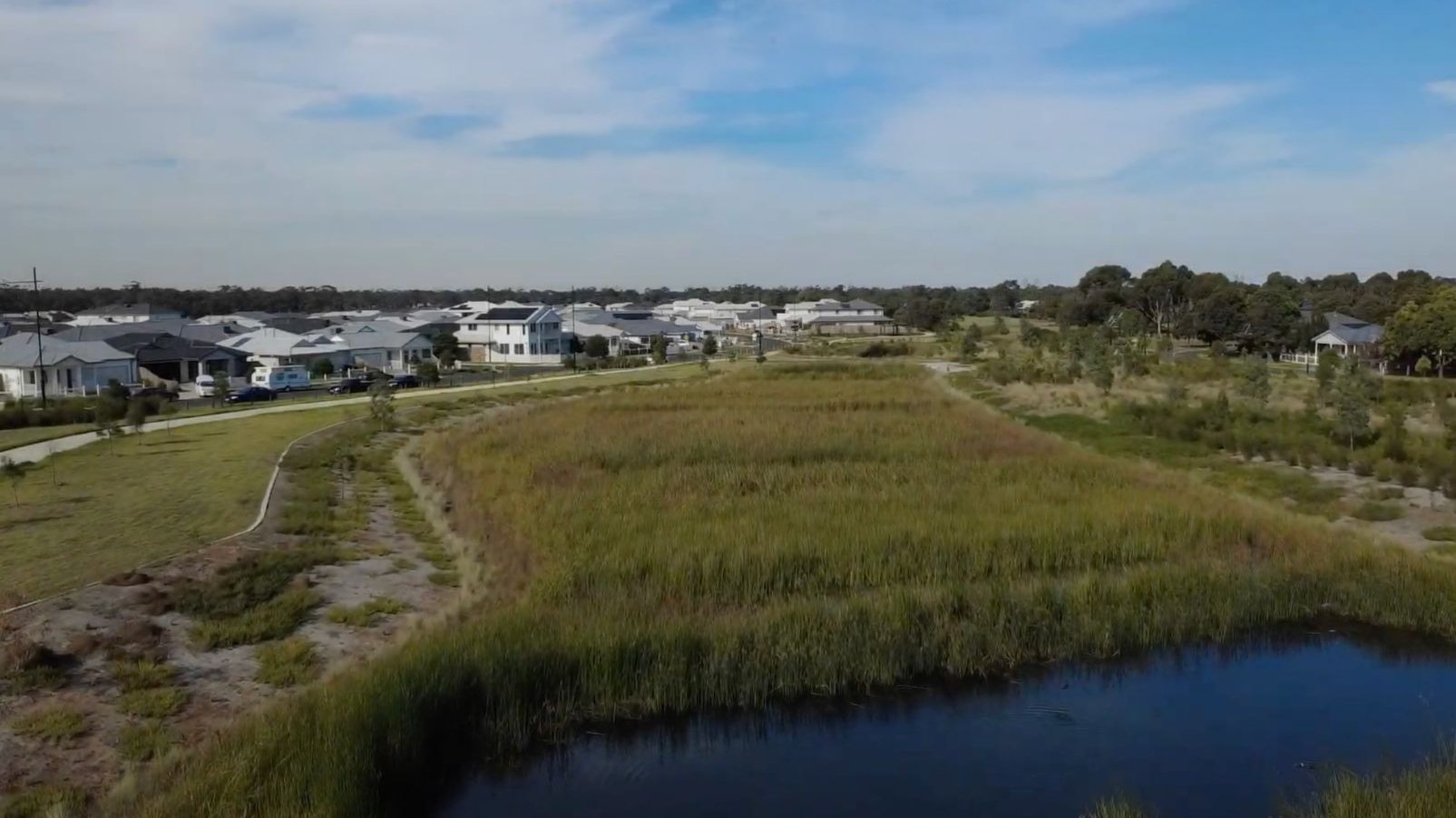
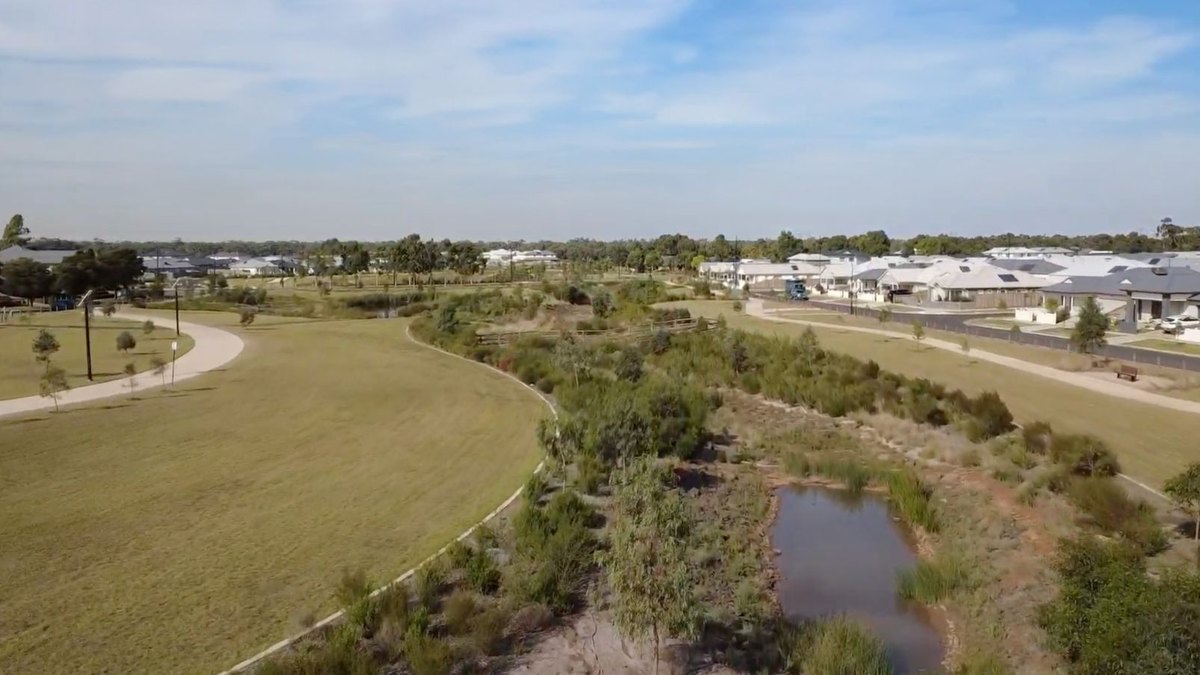
Regen Nurseries propagated almost 100,000 locally indigenous plants for the large-scale parkland and wetland restoration at Eynesbury in Melbourne's north west. Delivered in collaboration with Australian Ecosystems, Regen Planters, landscape architects TRACT and developer Resimax, the project included the construction and establishment of wetlands, waterways and public open spaces.
The works incorporated turf and park areas, advanced tree planting, indigenous revegetation, formal garden beds, rockwork, paving, bollards, mulching and extensive wetland planting to create an integrated landscape that balances environmental outcomes with community use.
The project was designed to create a connected landscape that enhances biodiversity while delivering high-quality public open space for the growing Eynesbury community.
Objective
- Restore indigenous wetland and waterway vegetation.
- Create habitat for native flora and fauna.
- Improve the ecological health of waterways and wetlands.
- Deliver attractive parklands and recreational spaces for the community.
- Establish a resilient landscape that can be successfully managed over the long term.
Services Delivered
- Native plant supply
- Ecological restoration
- Environmental maintenance
- Monitoring & establishment
- Weed management
Project Partners
Restoration Results
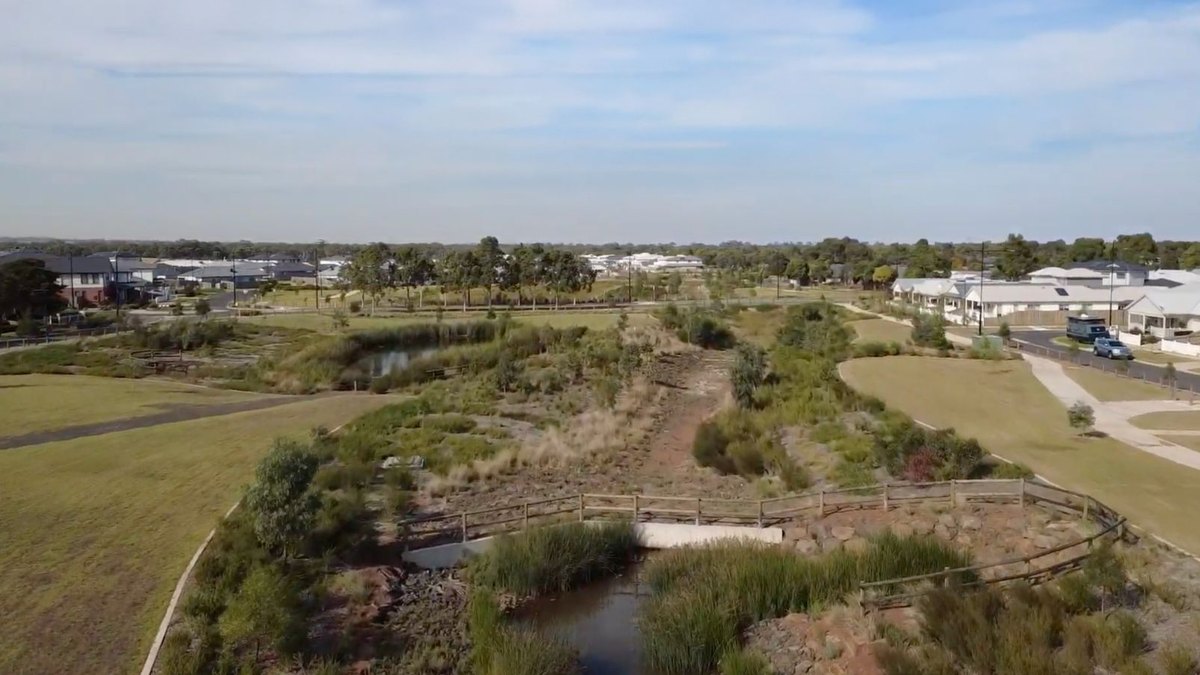
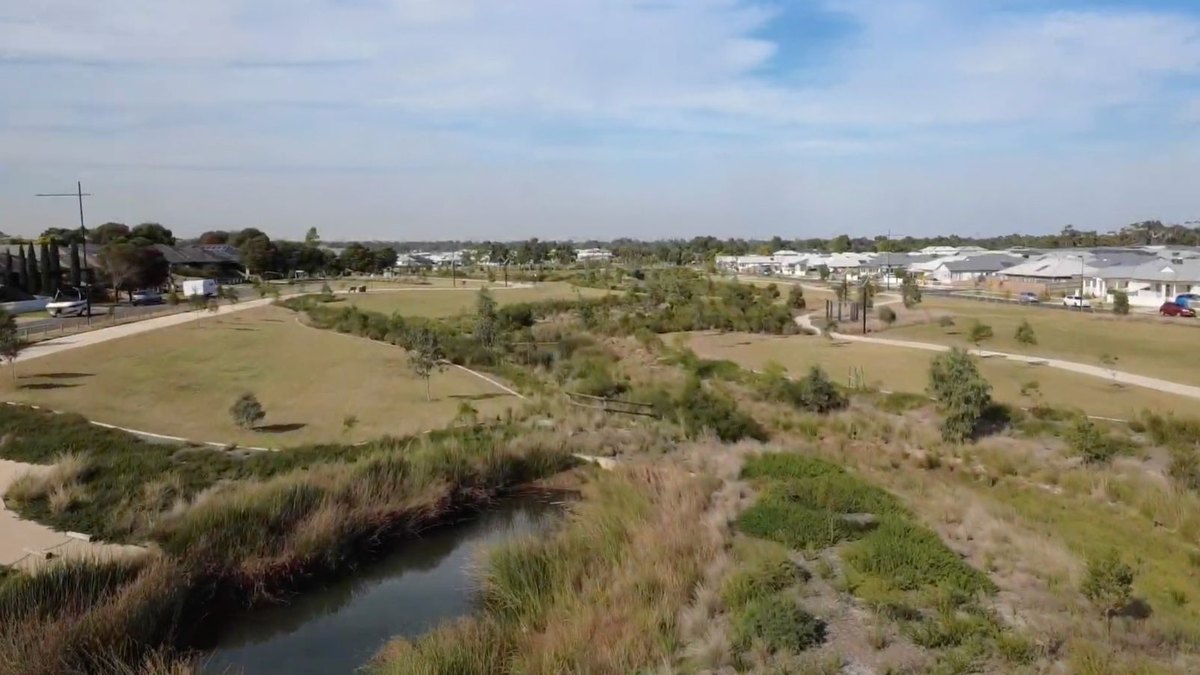
The project has successfully established a network of wetlands, waterways and parklands that provide valuable habitat while creating welcoming green spaces for the local community.
With almost 100,000 indigenous plants now established, the landscape is continuing to mature, strengthening biodiversity and improving the ecological health of the site. The completed works have been successfully handed over to Melton City Council and Melbourne Water, ensuring the landscape will continue to be managed and enjoyed for many years to come.
Eynesbury is an excellent example of how integrated landscape construction and ecological restoration can create enduring environmental and community outcomes.