
Regenerating Landscapes. Maintaining Nature. Protecting Assets.
Our services
Ecological & Landscape Maintenance Across Victoria
- Details
- Written by: Regen Administrator
- Category: Uncategorised
- Hits: 311
Casey Green Dwarf Galaxias Habitat Restoration
Casey Green Overview
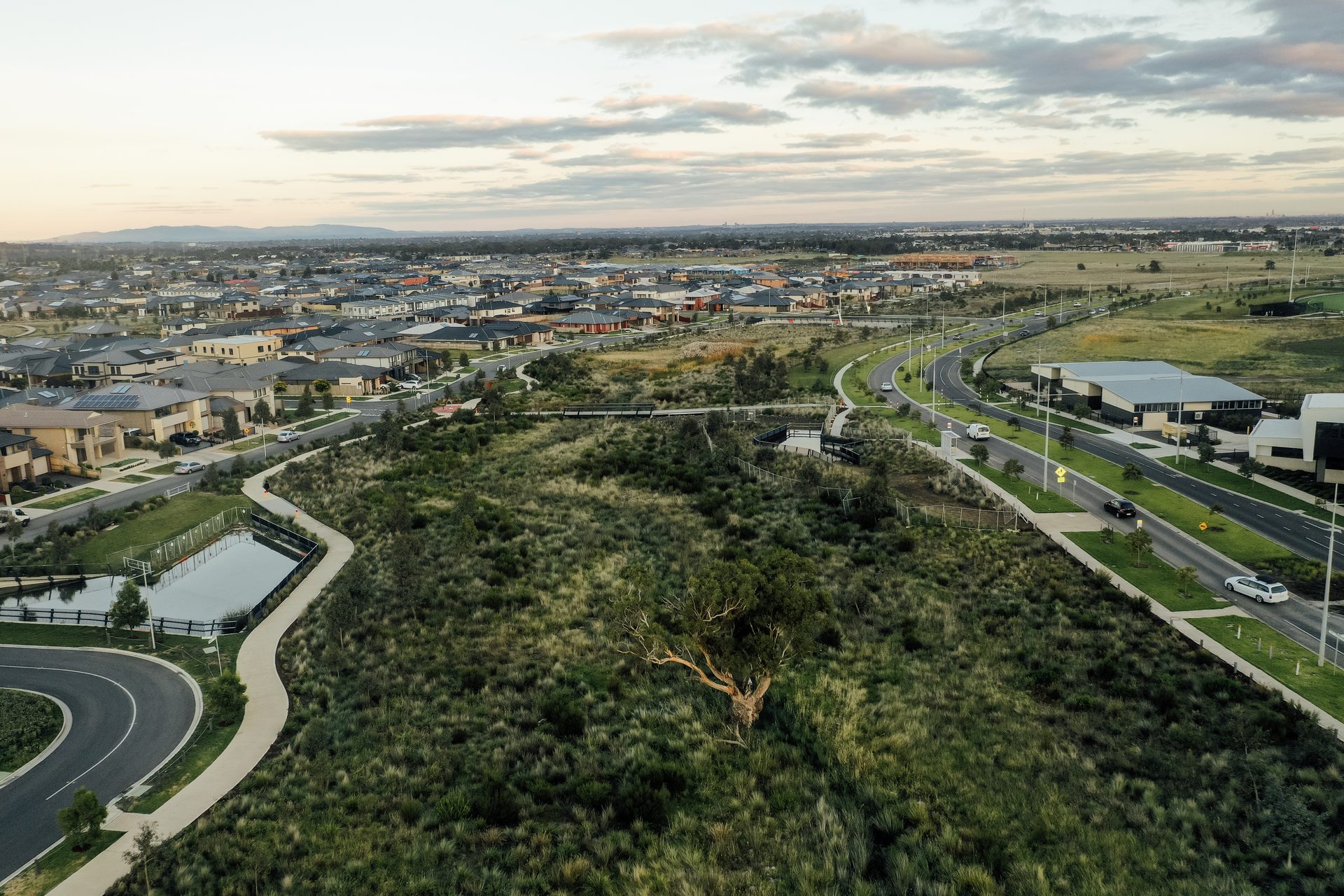
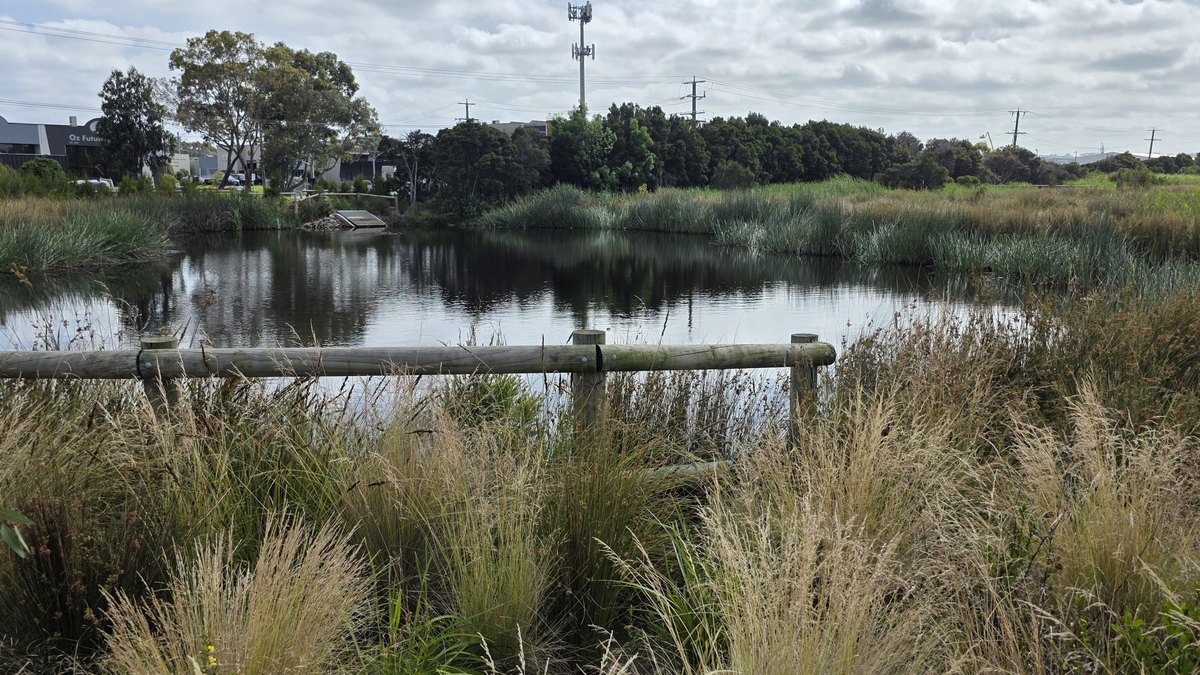
Casey Green demonstrates how carefully planned wetland restoration can create lasting habitat for some of Australia's most vulnerable native species. Through ecological restoration, locally indigenous planting and ongoing management, the project is helping rebuild a healthy wetland ecosystem that supports the endangered Dwarf Galaxias and a diverse range of native wildlife.
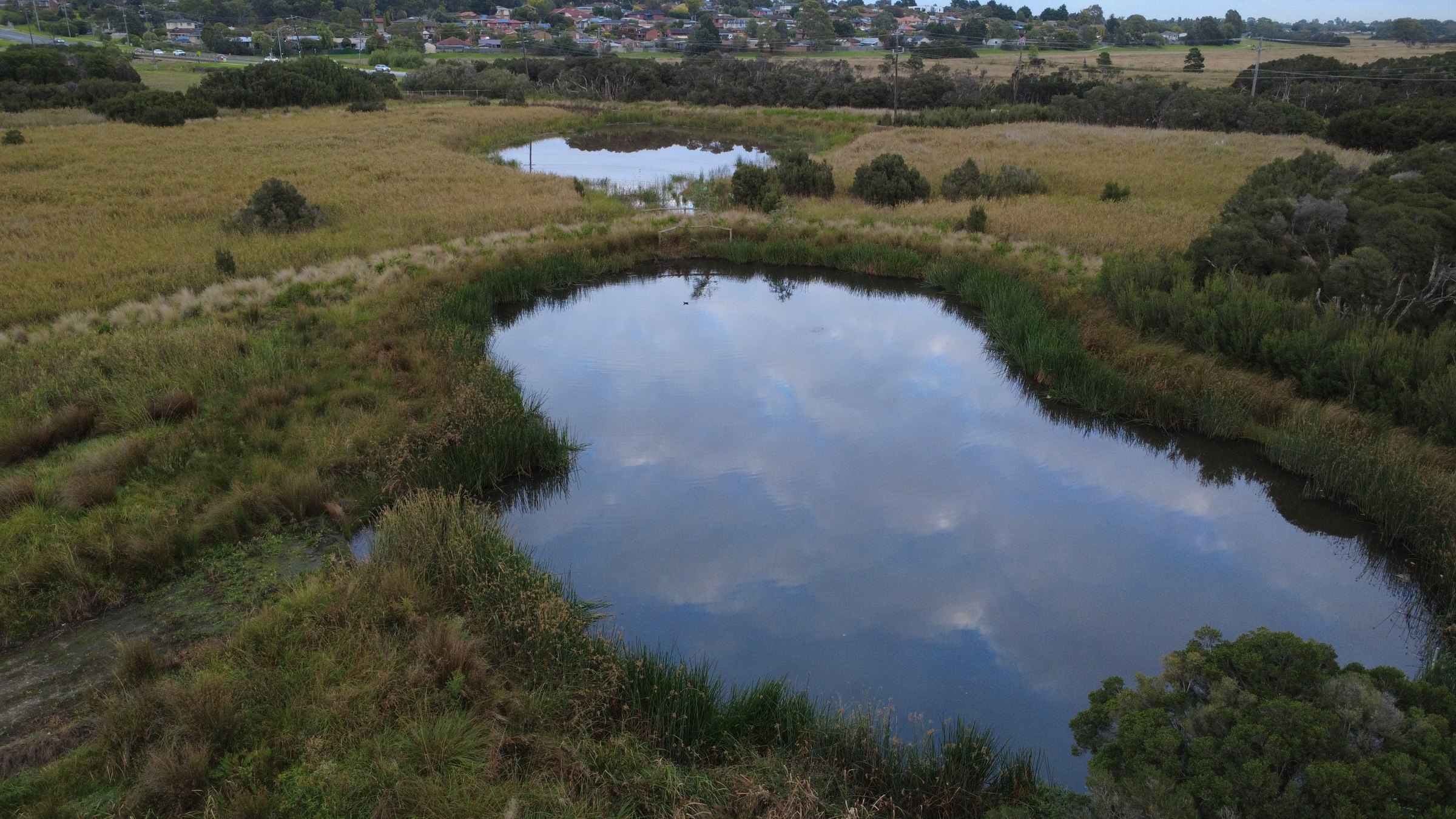
Regen Nurseries supplied more than 25,000 locally indigenous plants for the restoration of wetlands and floodplain areas at Casey Green in Melbourne's south east. Delivered in partnership with Australian Ecosystems, Regen Planters and developer Osanrae, the project focused on restoring native vegetation to strengthen wetland health, improve biodiversity and create critical habitat for the endangered Dwarf Galaxias.
The revegetation works established a diverse mix of indigenous species designed to stabilise the landscape, improve water quality and support the long-term function of the restored wetland.
The primary objective of the project was to restore healthy wetland and floodplain habitat that supports the endangered Dwarf Galaxias while enhancing biodiversity across the site.
Objective
- Restore indigenous wetland vegetation communities.
- Create and strengthen habitat for the endangered Dwarf Galaxias.
- Improve water quality and ecosystem function.
- Increase biodiversity and ecological resilience.
- Establish a sustainable wetland landscape through long-term management.
Services Delivered
- Native plant supply
- Ecological restoration
- Environmental maintenance
- Monitoring & establishment
- Weed management
Project Partners
Restoration Results
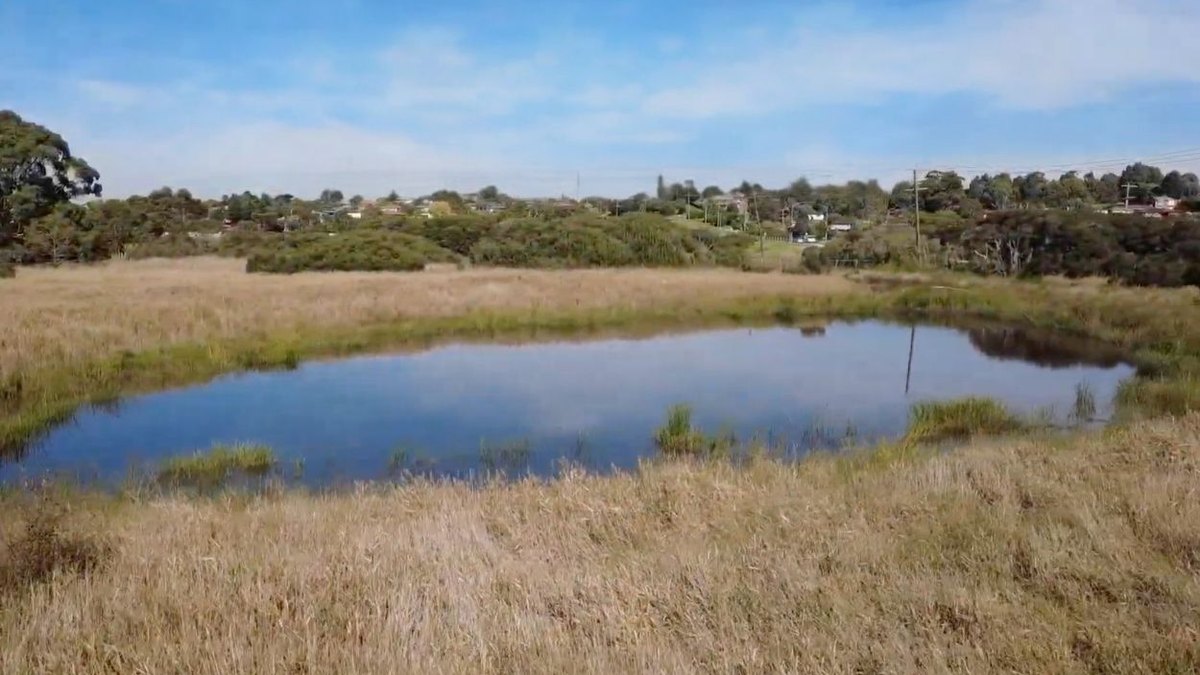
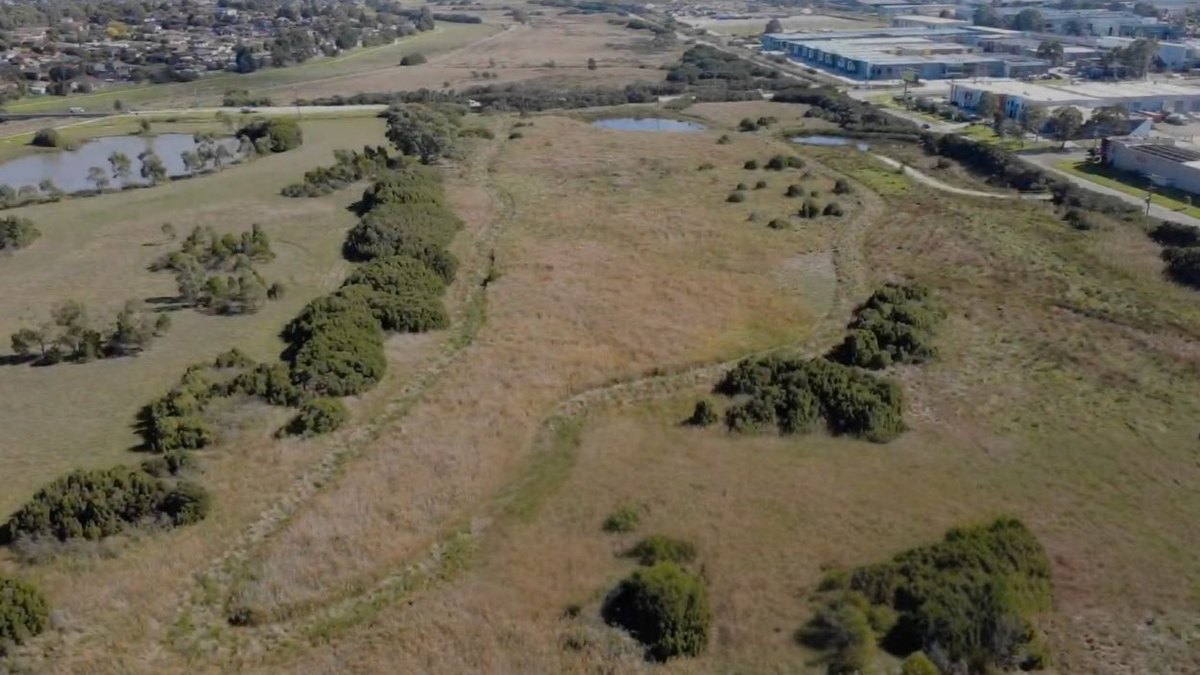
The restored wetlands are continuing to establish as a resilient native ecosystem, with thousands of indigenous plants creating improved habitat structure and increasing biodiversity across the site. The revegetation is helping stabilise the landscape, enhance water quality and provide the conditions needed to support the long-term recovery of the endangered Dwarf Galaxias.
Casey Green highlights how targeted ecological restoration can make a significant difference for threatened species while creating healthier, more resilient landscapes for future generations.
Project Video
Explore Other Projects
- Details
- Written by: Regen Administrator
- Category: Uncategorised
- Hits: 290
Brompton Park
Brompton Park Overview
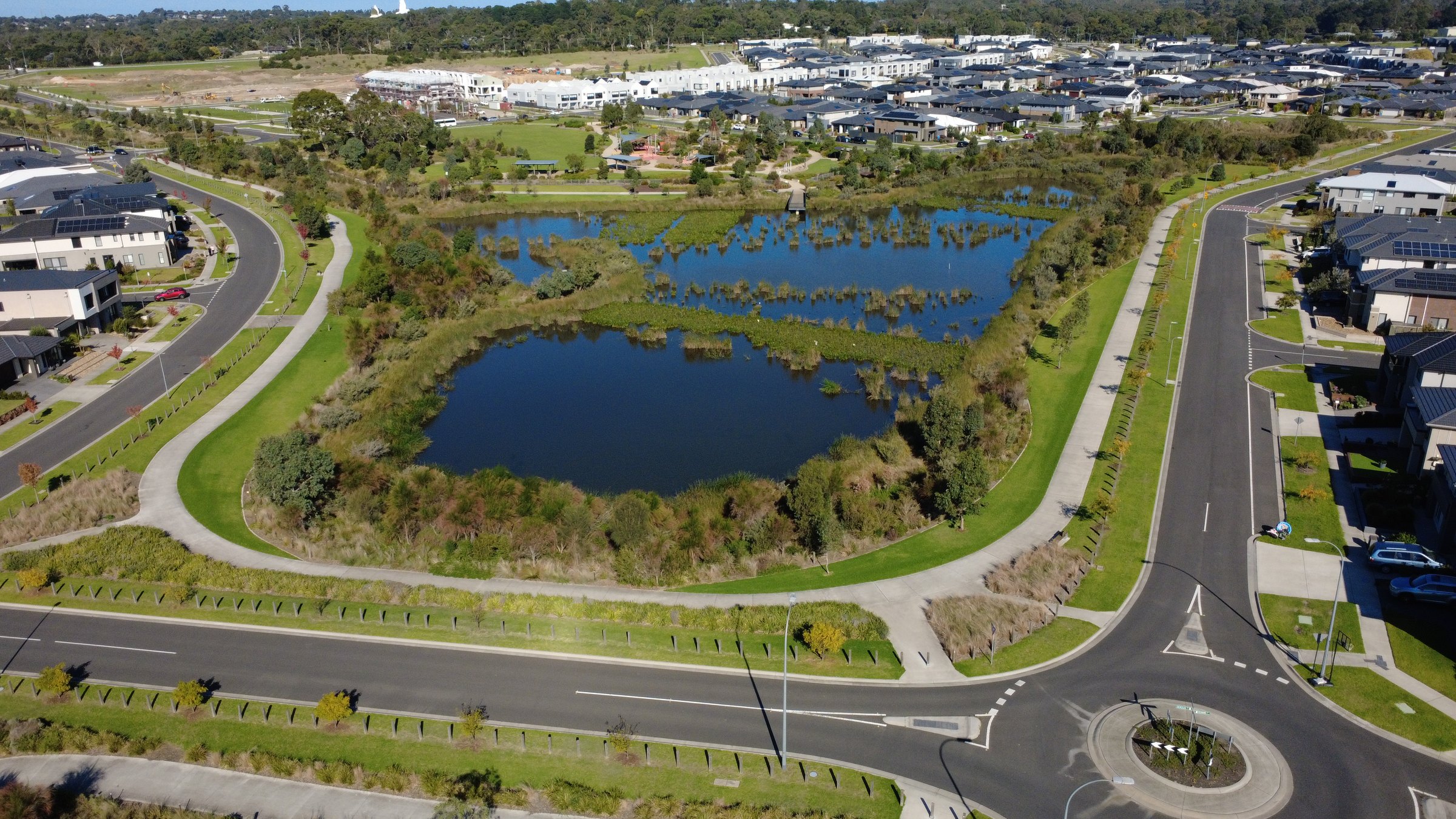
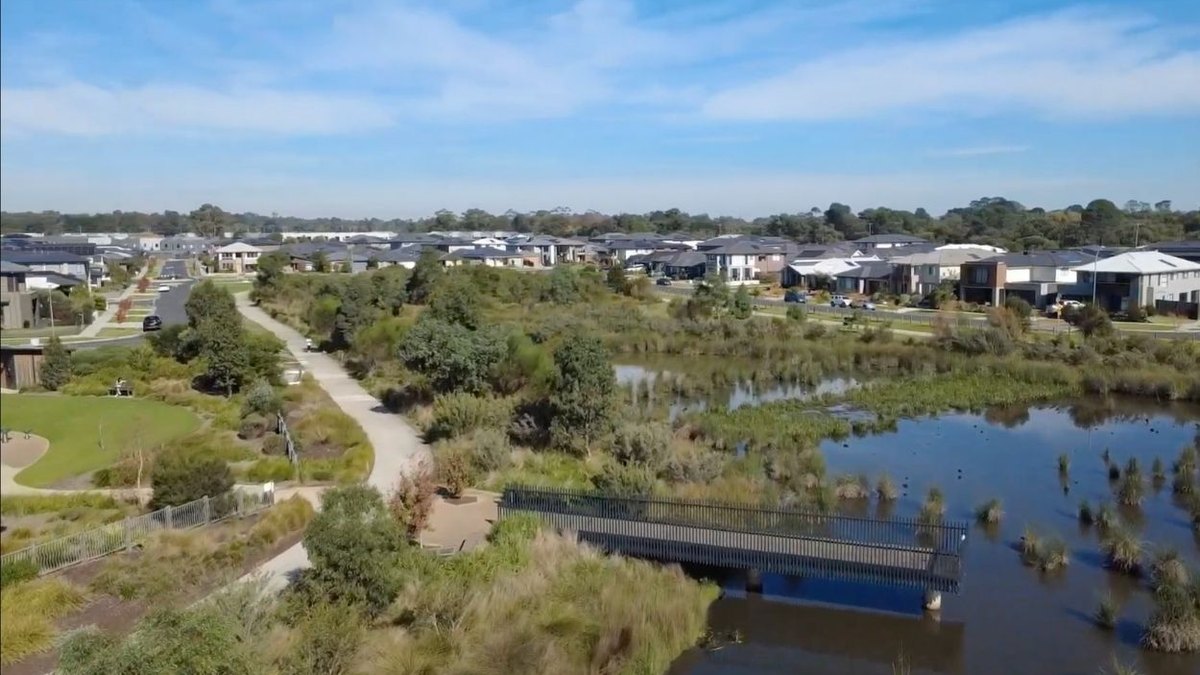
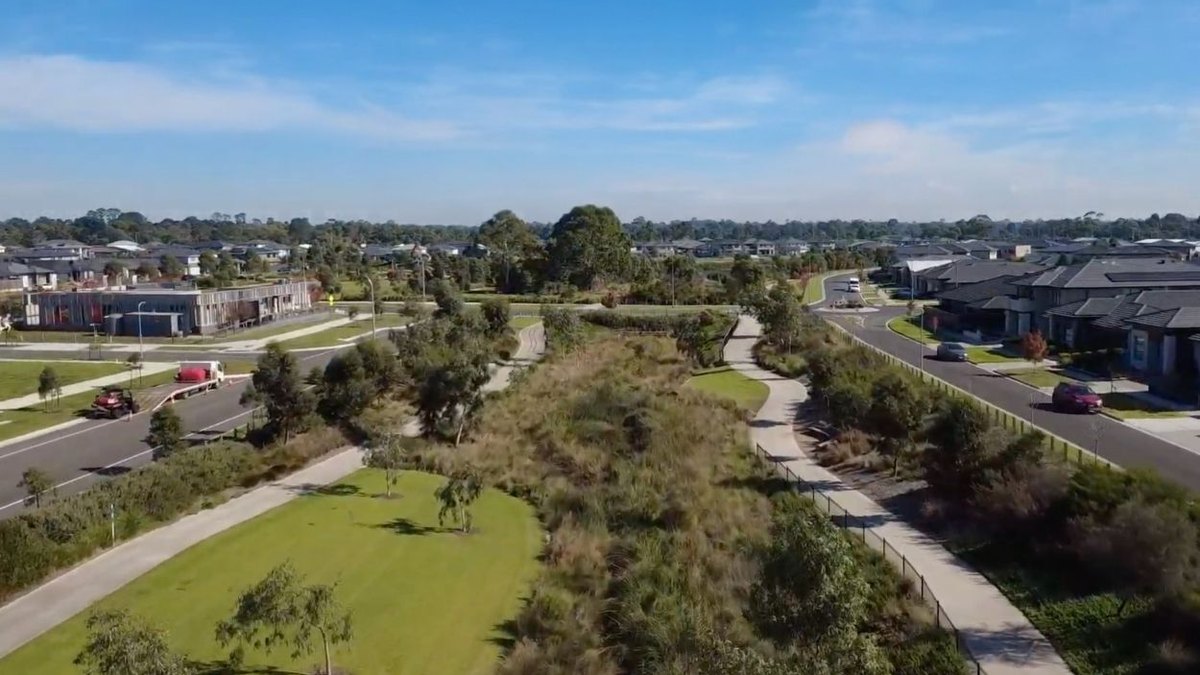
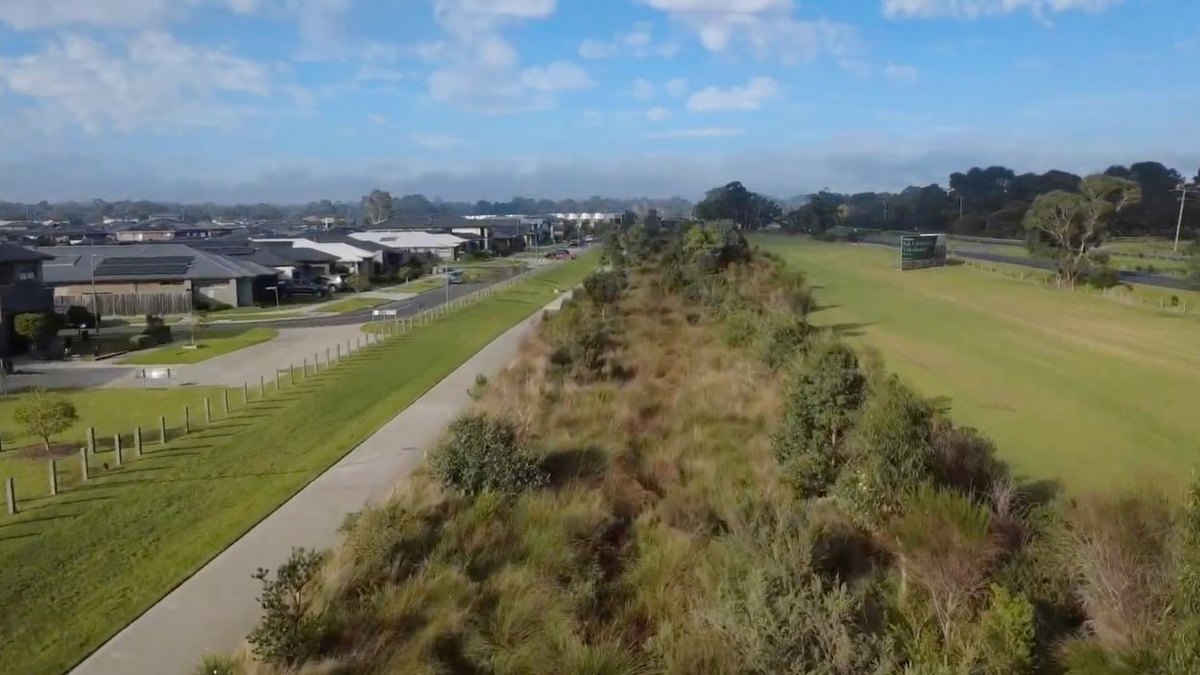
Brompton Lodge is a large-scale ecological restoration project in Melbourne's south east, where almost three kilometres of waterways, wetlands and creeklines have been restored to create thriving habitat, improve waterway health and deliver beautiful open spaces for the community.
Delivered through a collaborative approach, the project demonstrates how ecological restoration can enhance biodiversity while creating resilient landscapes that people and wildlife can enjoy for generations.
Regen Nurseries propagated more than 260,000 locally indigenous plants for the restoration of waterways, wetlands and creeklines throughout the Brompton Lodge development. Working alongside Australian Ecosystems, Regen Planters, landscape architects GBLA and developer Wolfdene, the project has transformed degraded drainage corridors into functioning natural ecosystems.
The works included large-scale revegetation, wetland establishment, creekline restoration and ongoing landscape management to support long-term ecological success.
The project was designed to restore healthy waterway and wetland systems that improve biodiversity while creating connected open spaces for the surrounding community.
Objective
- Restore 3km of indigenous wetland and riparian vegetation.
- Rebuild habitat for native birds, frogs, reptiles and other wildlife.
- Improve water quality and ecological function.
- Create connected green corridors throughout the development.
- Deliver resilient landscapes that continue to mature over time.
Services Delivered
- Native plant supply
- Ecological restoration
- Environmental maintenance
- Monitoring & establishment
- Weed management
Project Partners
Restoration Results
More than 260,000 indigenous plants are establishing across the restored waterways and wetlands, creating a diverse landscape that is already delivering ecological and community benefits.
The restored creeklines and wetlands now provide valuable habitat for native wildlife while offering attractive open spaces where residents can walk, relax and connect with nature. As the vegetation continues to mature, Brompton Lodge will become an increasingly resilient ecosystem that supports biodiversity and contributes to the long-term environmental health of the surrounding landscape.
The project showcases how collaboration, ecological expertise and quality restoration practices can transform waterways into thriving natural assets that benefit both the environment and the community.
Watch the project video:
Project Video
Explore Other Projects
- Details
- Written by: Regen Administrator
- Category: Uncategorised
- Hits: 497
Atherstone
Atherstone Overview
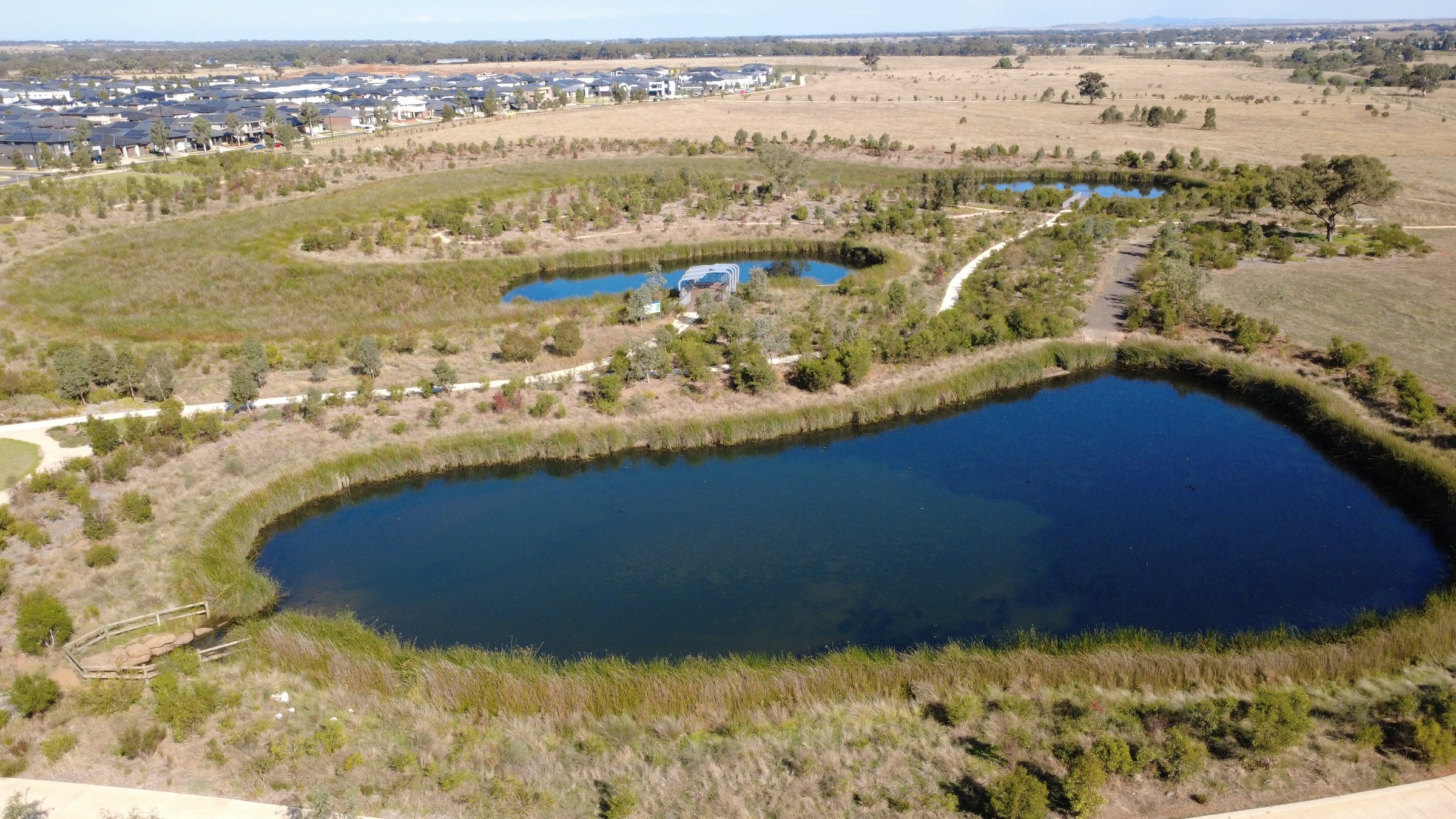
Atherstone Estate in Melton showcases how thoughtful planning, local provenance seed collection and large-scale ecological restoration can transform urban landscapes into thriving wetland ecosystems. Delivered through a collaborative approach, the project has created a biodiverse wetland designed to provide long-term environmental benefits for both people and wildlife.
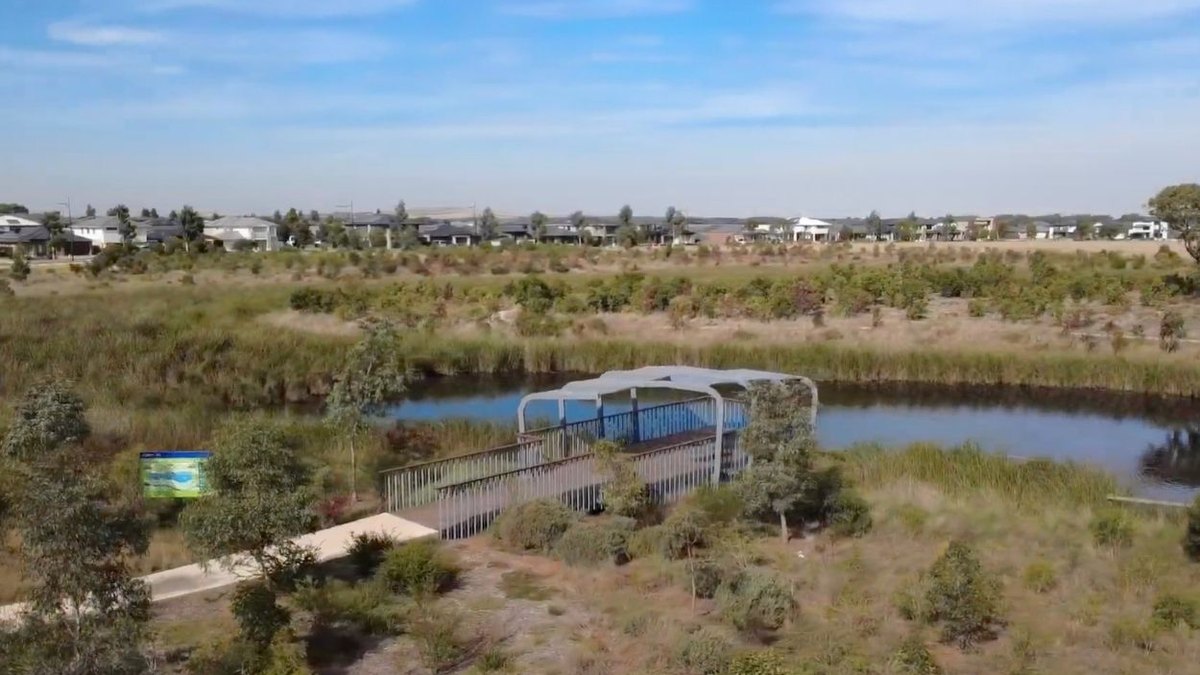
Regen Nurseries collected locally indigenous seed and propagated more than 220,000 native plants for the restoration of a major biodiversity wetland at Atherstone Estate. Working alongside Australian Ecosystems, Regen Planters, GBLA, Lendlease and Melton City Council, the project involved large-scale revegetation to establish a functioning wetland system that supports native flora and fauna.
The restoration included a diverse range of wetland species selected to stabilise banks, improve water quality, provide habitat and strengthen the ecological health of the landscape.
The project was designed to restore a healthy, self-sustaining wetland ecosystem that enhances biodiversity while creating long-term ecological value within the growing Atherstone community.
Objective
- Restore indigenous wetland vegetation communities.
- Improve habitat for birds, frogs, insects and aquatic life.
- Enhance water quality through natural filtration and vegetation.
- Increase biodiversity and ecological resilience.
- Deliver a sustainable environmental asset for future generations.
Services Delivered
- Native plant supply
- Ecological restoration
- Environmental maintenance
- Monitoring & establishment
- Weed management
Project Partners
Restoration Results
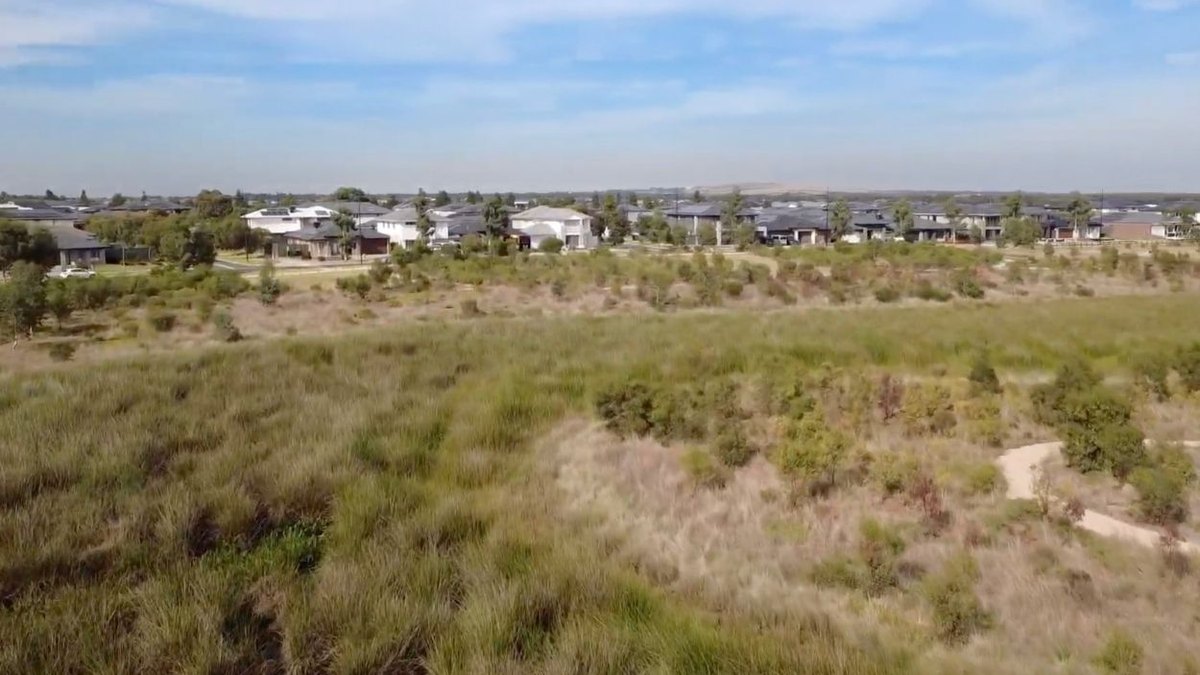
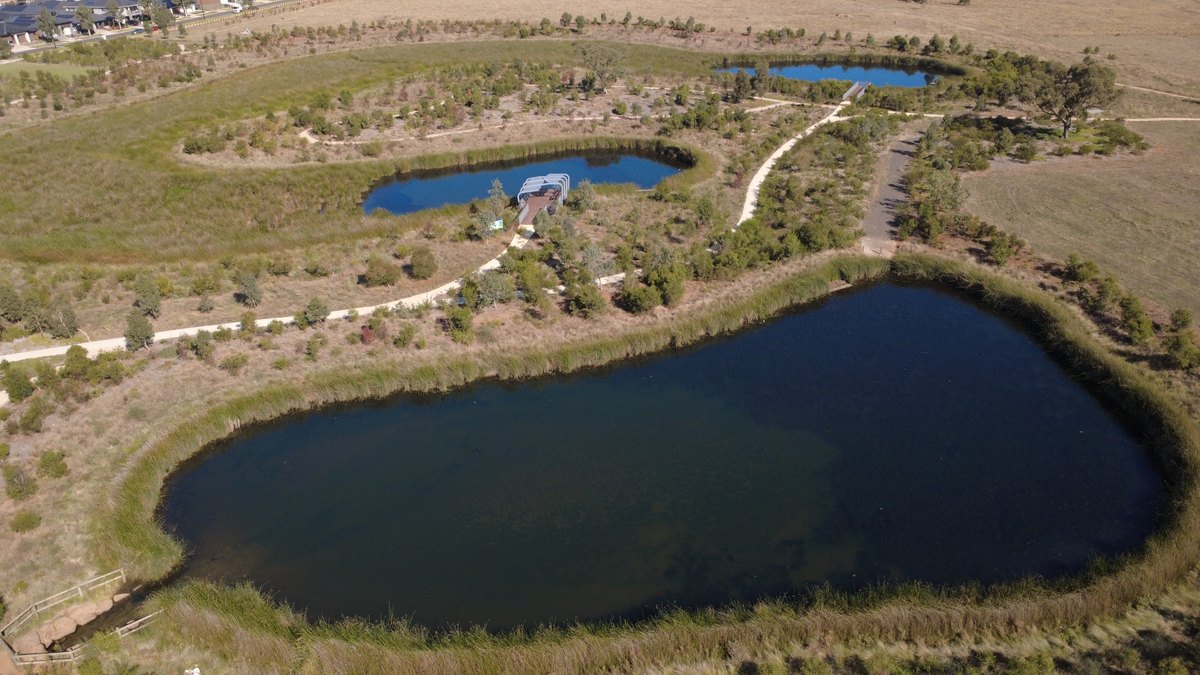
The restored wetland is now establishing as a diverse ecological landscape that supports local biodiversity while improving the environmental health of the surrounding area. Thousands of indigenous plants are thriving, creating habitat for birds, frogs, insects and other native species while contributing to cleaner water and a more resilient urban environment.
Atherstone demonstrates how large-scale wetland restoration, supported by local seed collection and specialist ecological expertise, can deliver lasting environmental outcomes for both nature and the community.
Project Video
Explore Other Projects
- Details
- Written by: Regen Administrator
- Category: Uncategorised
- Hits: 161