
Regenerating Landscapes. Maintaining Nature. Protecting Assets.
Our services
Ecological & Landscape Maintenance Across Victoria
- Details
- Written by: Regen Administrator
- Category: Projects
- Hits: 147
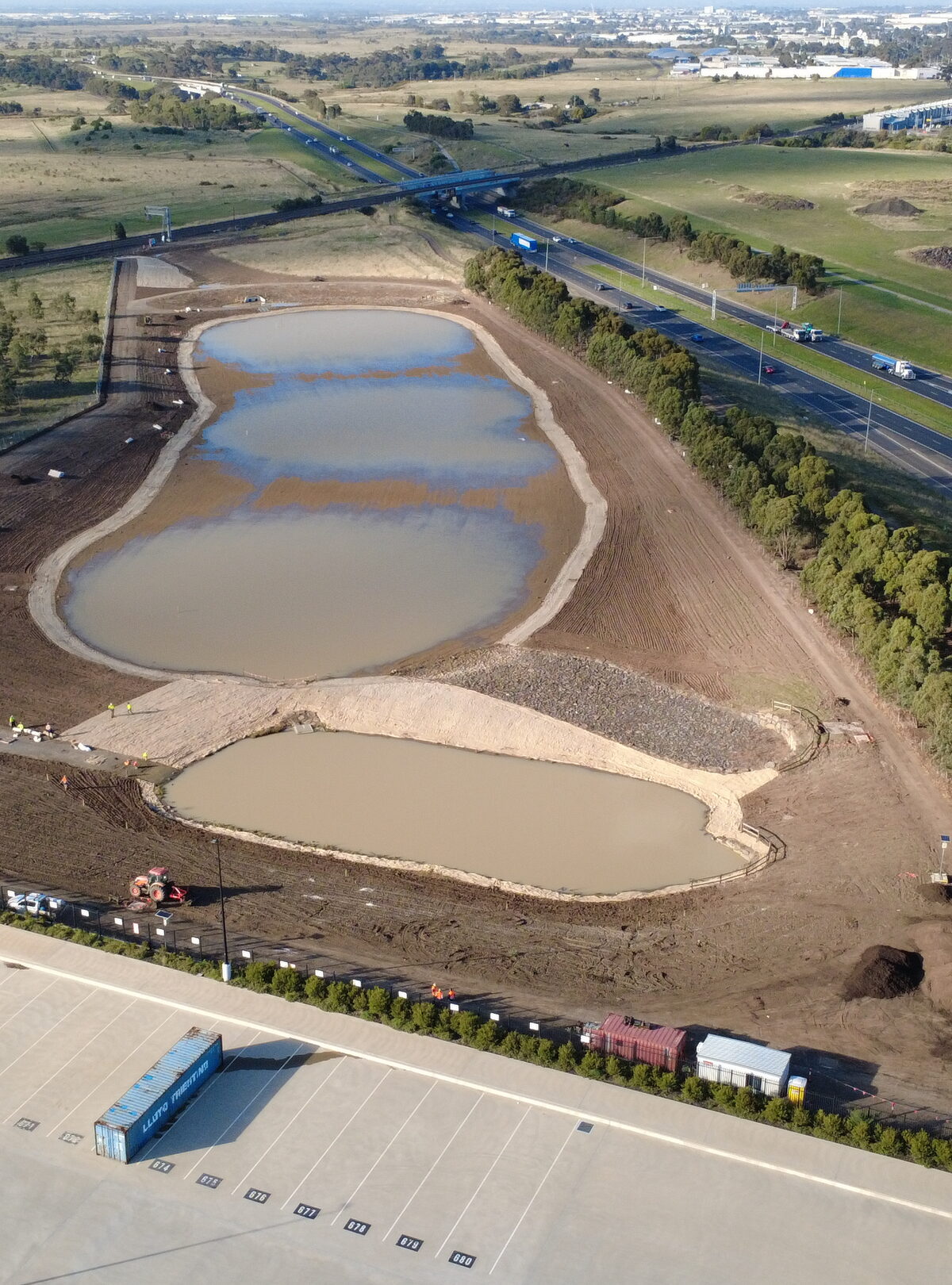
Geelong Region Growling Grass Frog Habitat Restoration
Project Overview
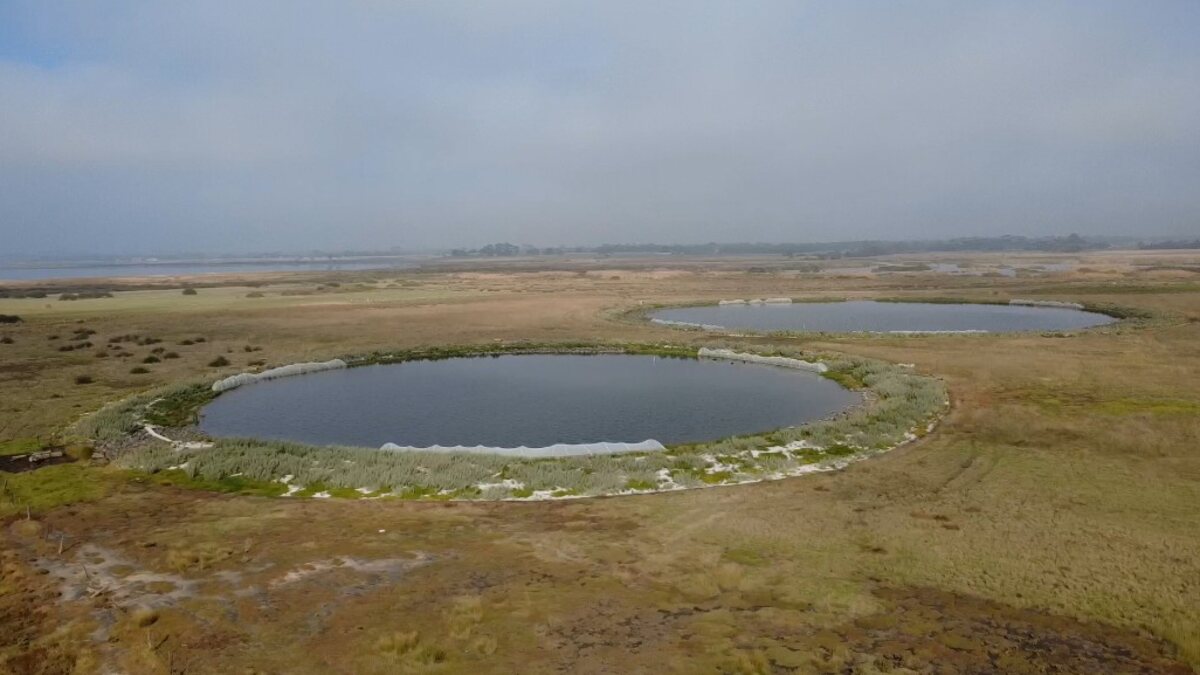
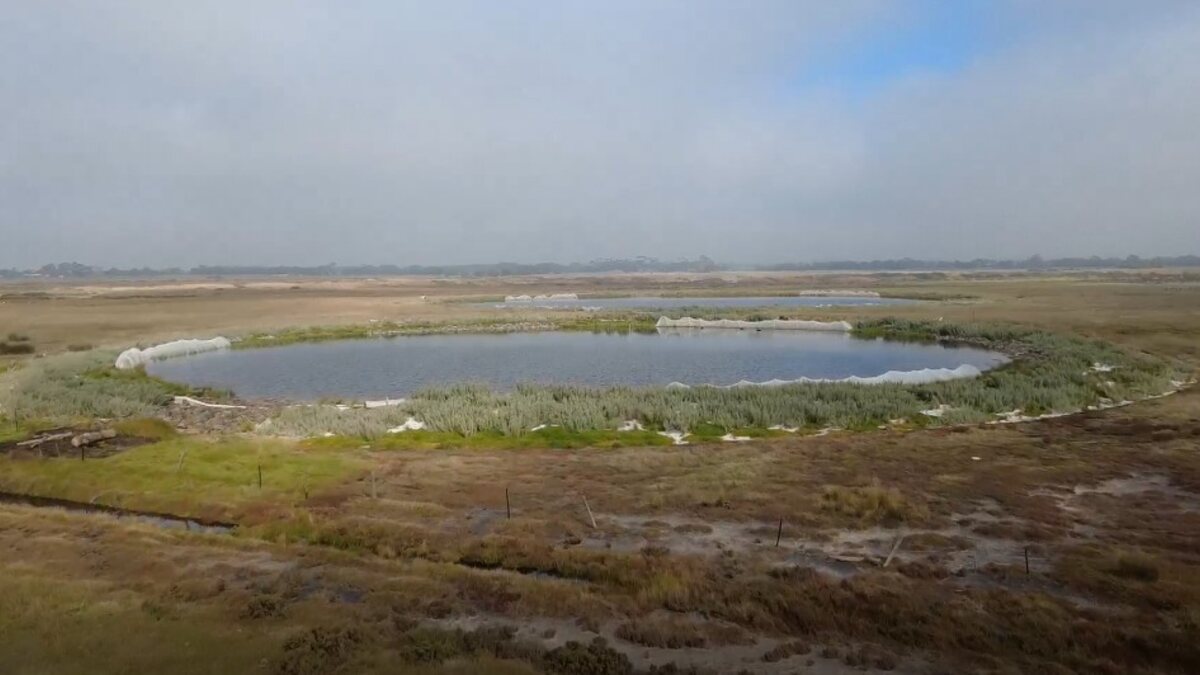
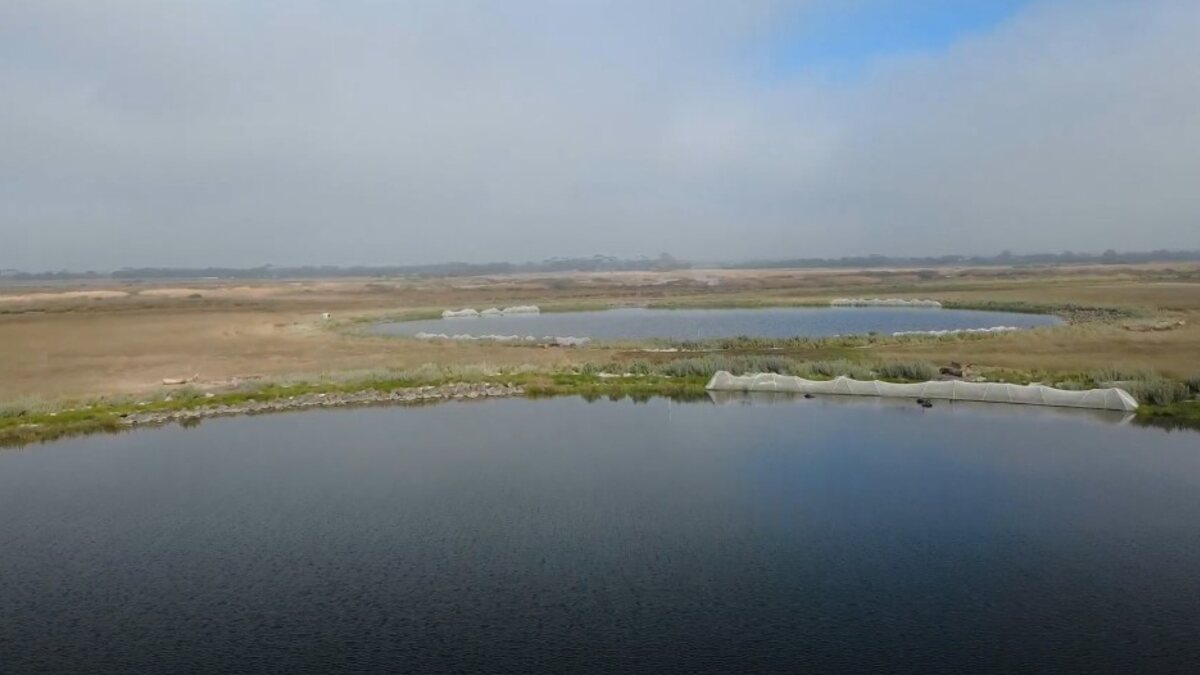
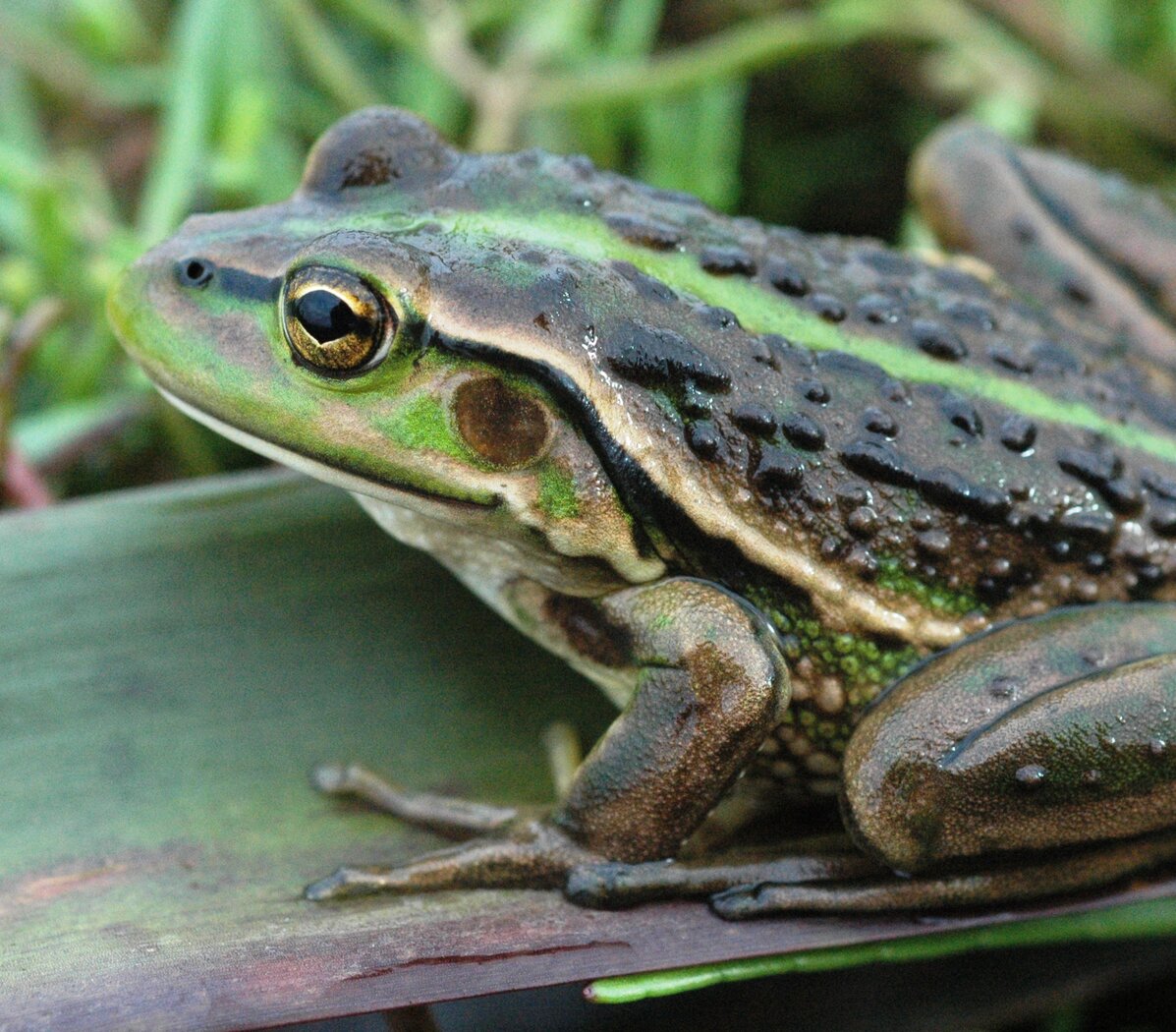
Australian Ecosystems was engaged by Jinding Developments, working with SPIIRE, to restore Growling Grass Frog (Litoria raniformis) habitat ponds in the Geelong region. The project created high-quality breeding and refuge habitat for one of Victoria's most threatened amphibians, while establishing a resilient wetland ecosystem that will support biodiversity for decades.
Successful Growling Grass Frog habitat requires carefully designed vegetation that provides breeding sites, shelter, foraging areas and movement corridors. Australian Ecosystems collected local indigenous seed, with Regen Nurseries propagating specialist wetland species, before approximately 48,000 indigenous plants were installed across the habitat ponds and surrounding wetlands.
Objective
- Restore and enhance Growling Grass Frog breeding and refuge habitat.
- Establish preferred habitat species, including extensive swards of Cycnogeton procerum for egg-laying and shelter.
- Install approximately 48,000 local-provenance indigenous plants across the ponds and wetlands.
- Protect movement corridors and improve wetland water quality.
- Deliver long-term habitat management under the Growling Grass Frog Conservation Management Plan.
Services Delivered
- Habitat-sensitive weed control
- Vegetation, water quality & water level monitoring
- Habitat protection fencing
- Migration corridor protection
- Environmental compliance & reporting
- Habitat enhancement & monitoring
Project Partners
Restoration Results
The project demonstrates how integrated ecological restoration, specialist indigenous plant production and long-term maintenance can successfully create habitat for threatened species within urban growth areas.
Key achievements included the establishment of approximately 48,000 indigenous plants, collection and propagation of local-provenance seed, and extensive planting of preferred habitat species including Cycnogeton procerum. Together, Australian Ecosystems, Regen Nurseries and Regen Enviro delivered a fully integrated project, from seed collection and plant production through to establishment and ongoing habitat management, helping secure the future of the Growling Grass Frog in the Geelong region.
Growling Grass Frog photograph: Damien Cook, Wetland Revival Trust.
Project Video
Explore Other Projects
- Details
- Written by: Regen Administrator
- Category: Projects
- Hits: 488
Cannons Creek Saltmarsh Restoration
Cannon's Creek Saltmarsh Overview
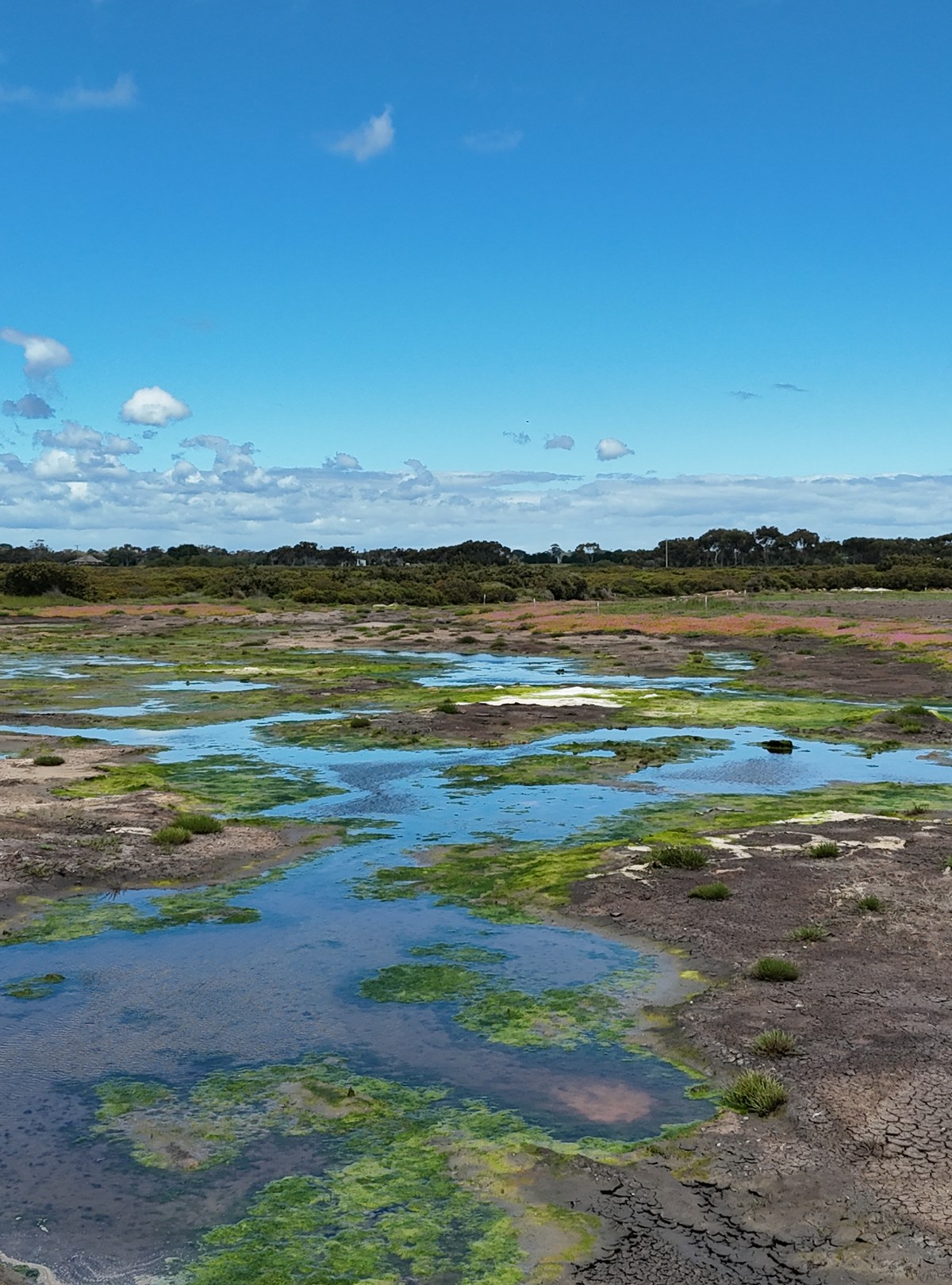
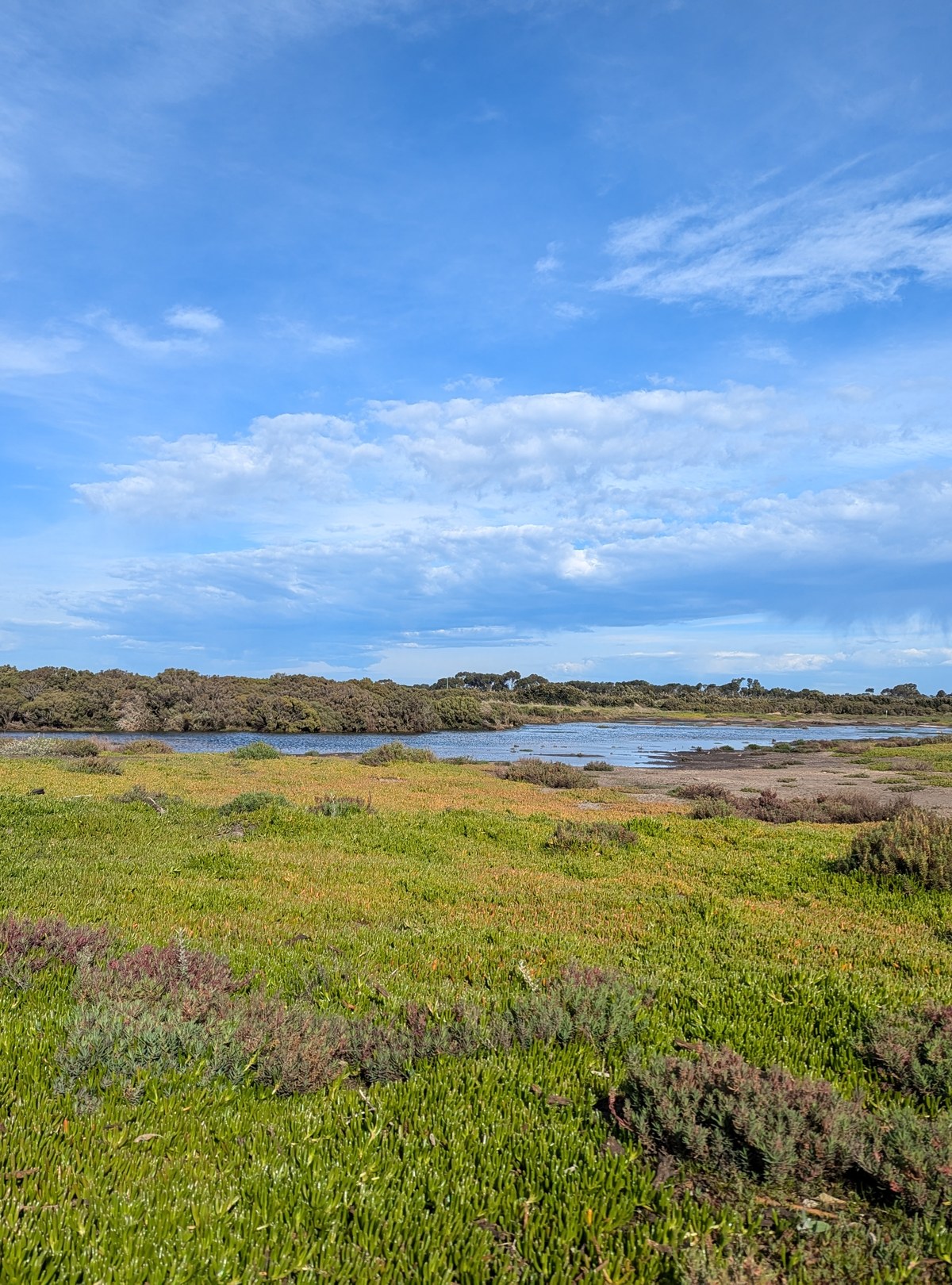
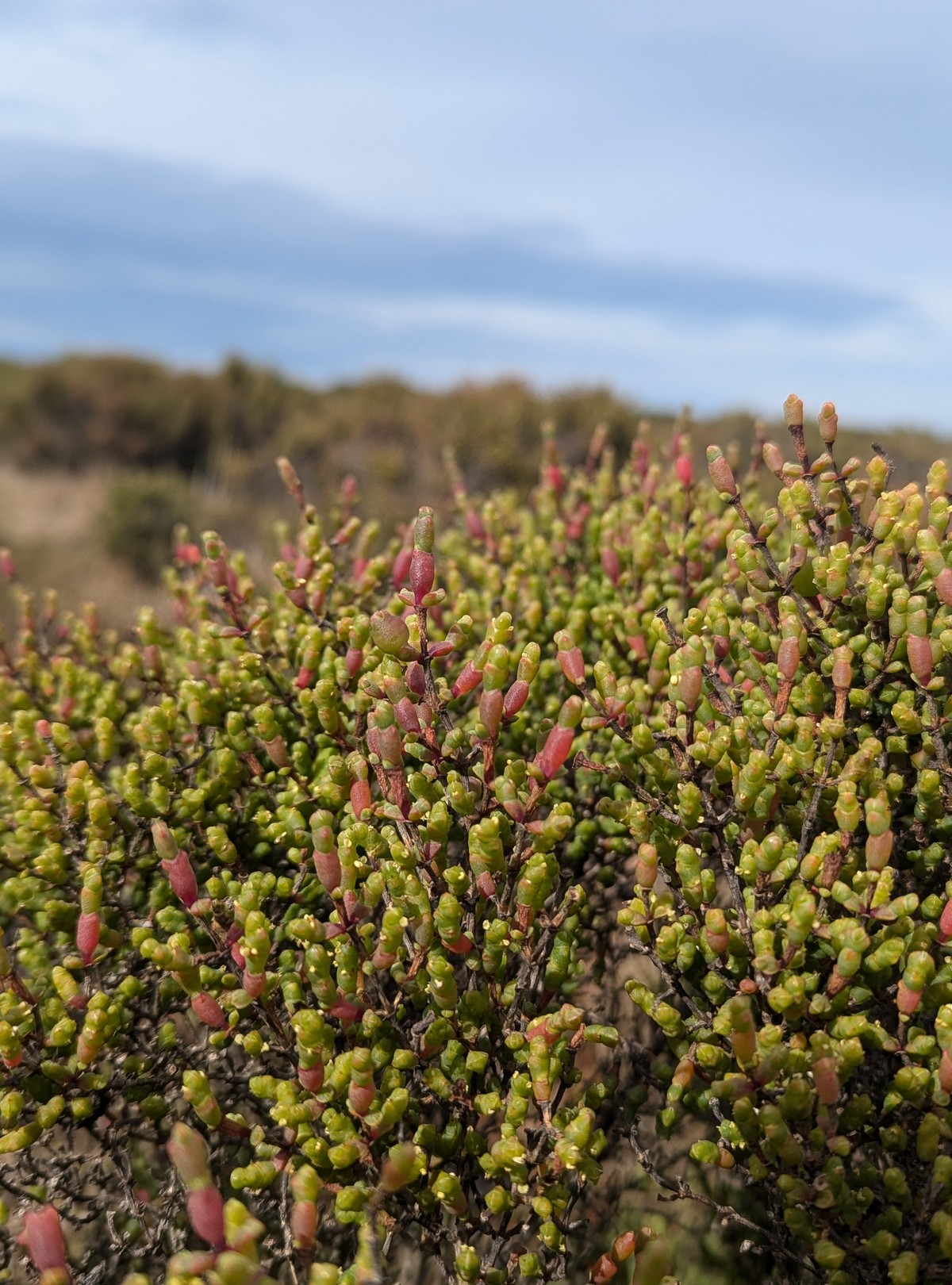
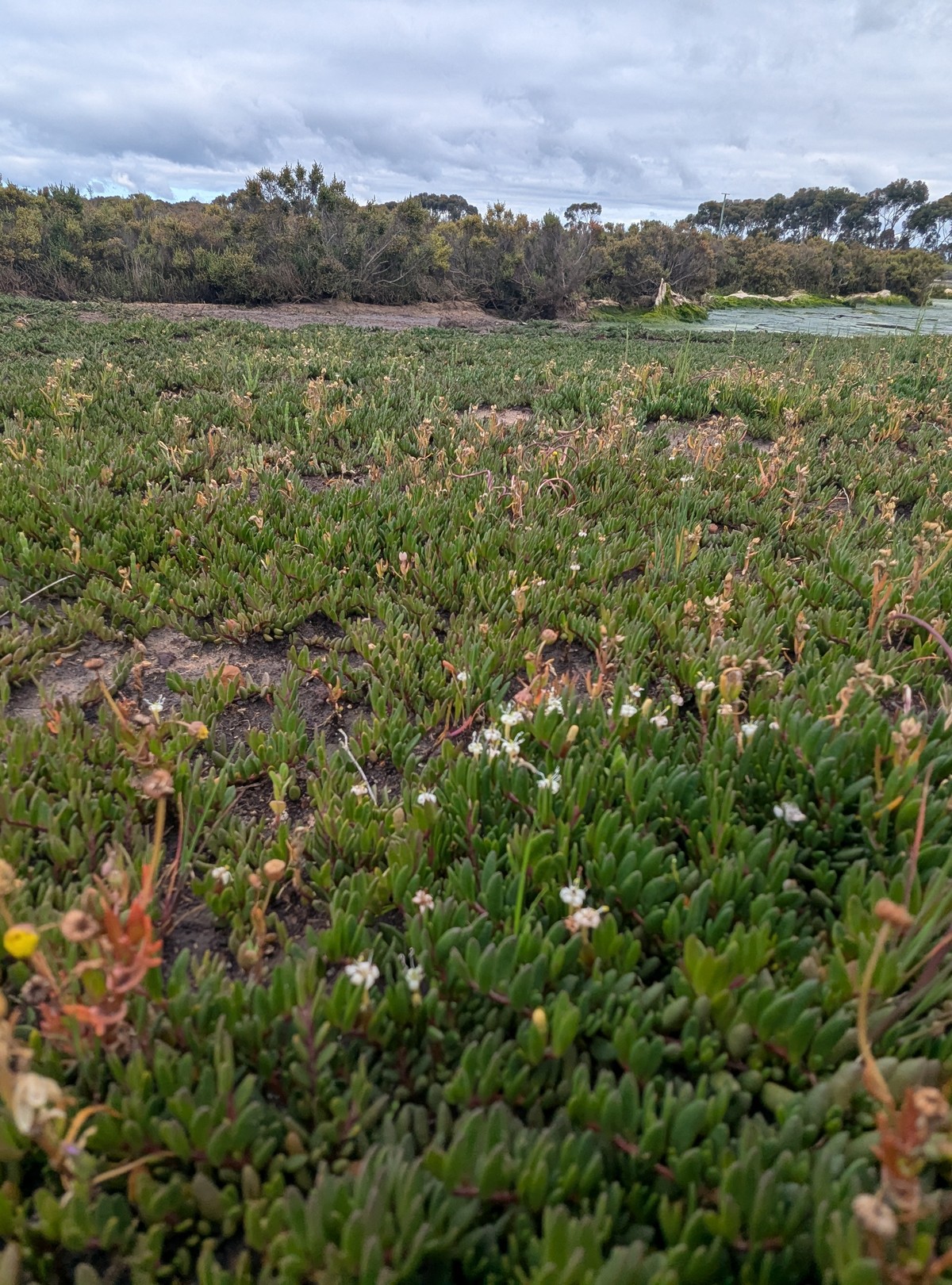
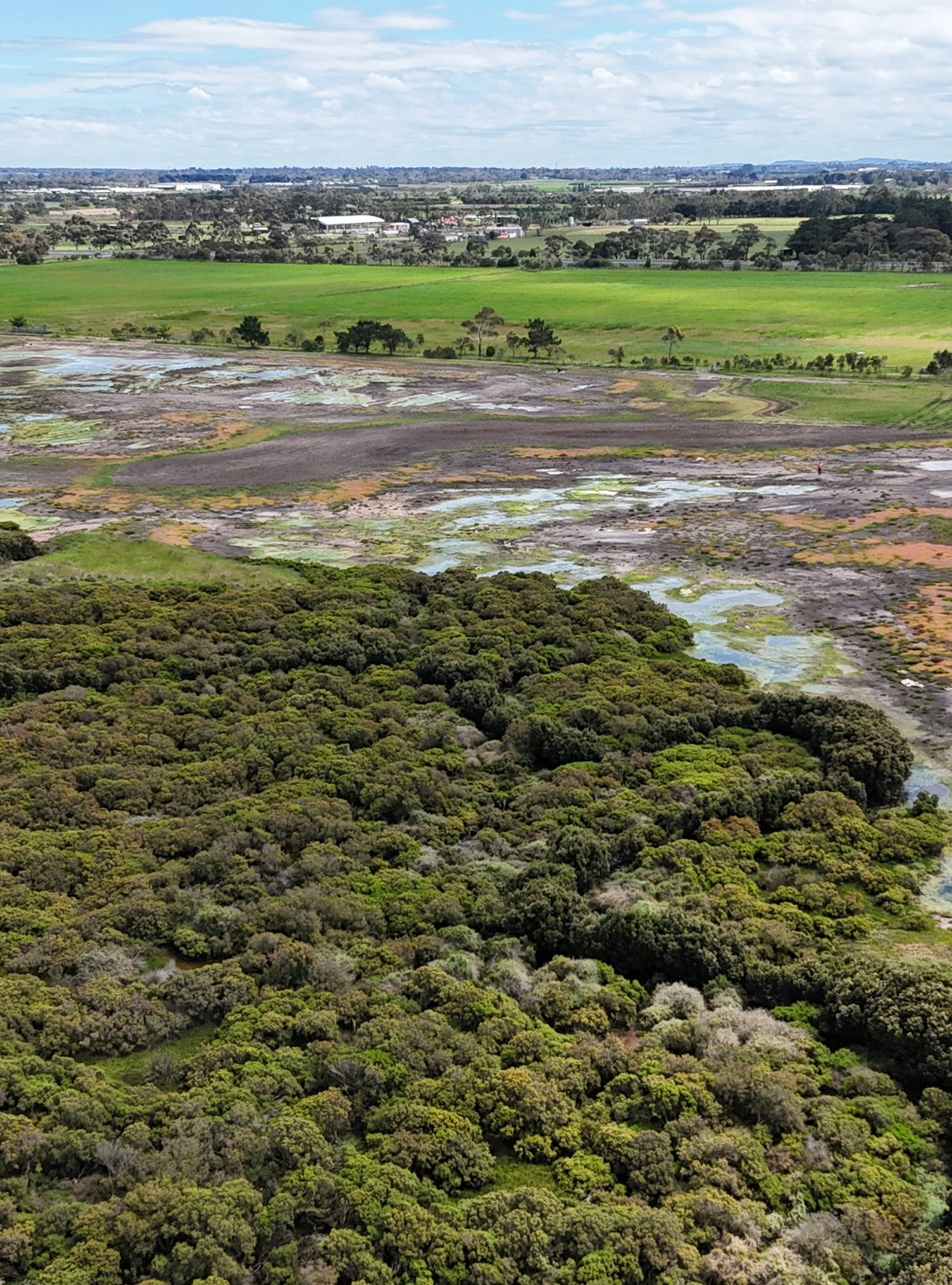
The Cannon's Creek Saltmarsh Revegetation Project restored 167,000m² of endangered Coastal Saltmarsh and coastal wetlands on private landholder property. A total of 173,000 plants were established across five distinct ecological vegetation classes: Mangrove Shrubland, Coastal Saltmarsh, Estuarine Grass Flats, Brackish Grassland and Plains Grassland.
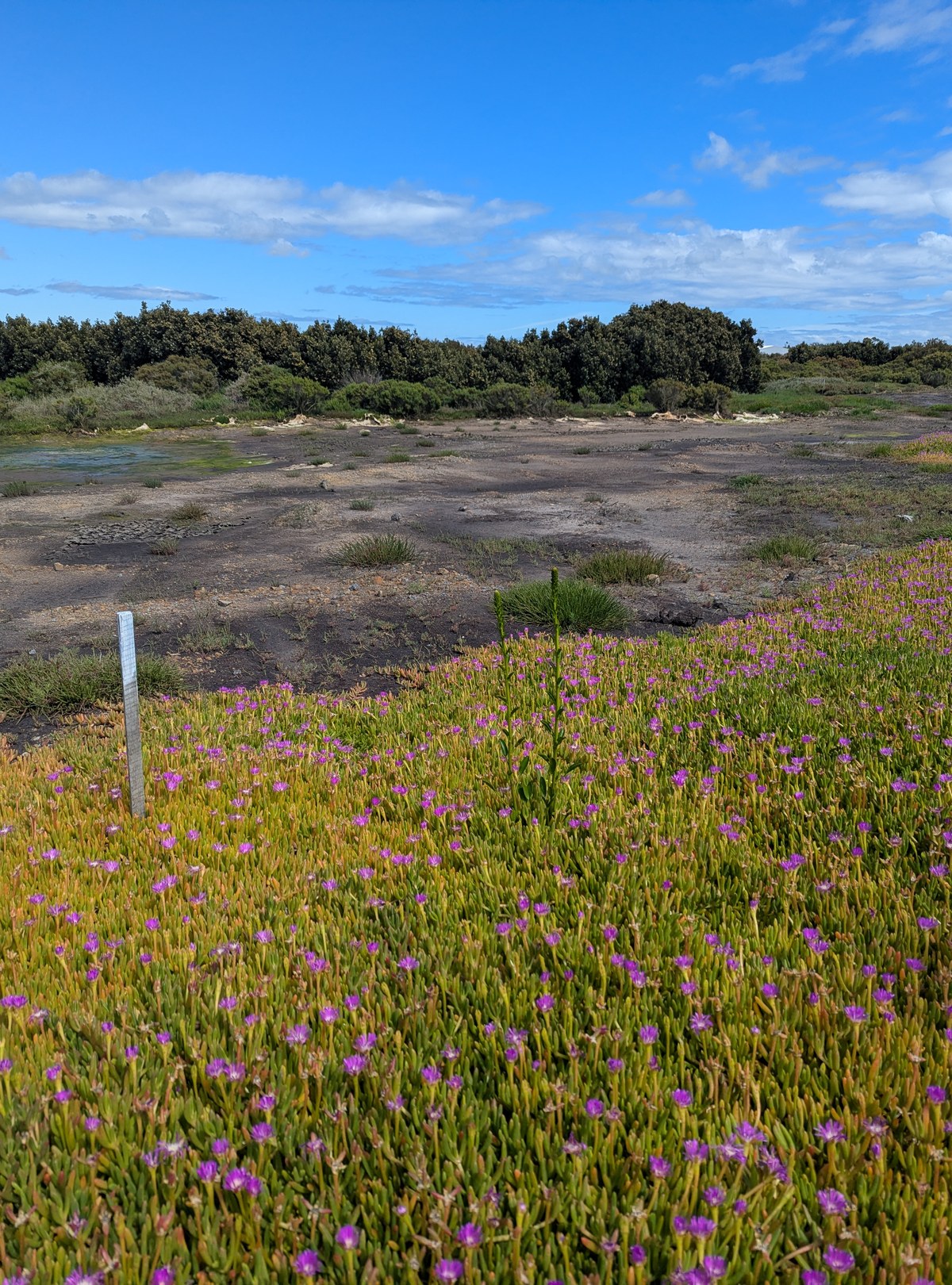
Key species planted include Suaeda australis (Austral Seablite) and Salicornia quinqueflora (Beaded Glasswort), an important winter food plant for the Orange-Bellied Parrot, whose entire population breeds in Tasmanian grasslands before crossing Bass Strait to feed on Victorian saltmarshes. Disphyma crassifolium (Rounded Noon Flower) forms a dense succulent mat that prevents erosion, and produces one of Victoria's largest and most impressive mass floral blooms.
Restoration of saltmarsh is highly technical work. Minor variations in soil levels, tidal flows and salinity have significant impacts on plant survival, requiring detailed knowledge of planting niches and adaptive techniques. Many saltmarsh species are listed under the Flora and Fauna Guarantee Act with limited parent-plant collection areas, and are slow-growing and recalcitrant in the nursery propagation phase, demanding niche propagation techniques and highly trained staff.
Objective
- Restore 167,000m² of endangered Coastal Saltmarsh and coastal wetlands.
- Reinstate natural soil levels, tidal flows and saltmarsh ecology.
- Establish five distinct ecological vegetation classes across the site.
- Support habitat for the Orange-Bellied Parrot and native halophytes.
- Enable natural recruitment of FFG-protected species from the seedbank.
Services Delivered
- Native plant supply
- Ecological restoration
- Environmental maintenance
- Monitoring & establishment
- Weed management
Project Partners
Restoration Results
Patience and research were highly rewarded on this project, with high plant survival across the site. Adaptive planting techniques and skilled site maintenance, including plant identification for native halophytes, ensured that species returning from the seedbank were protected rather than removed.
FFG-protected Atriplex paludosa (Marsh Saltbush) and Wilsonia germinated from the seedbank and were carefully cultivated and spread further across the site. Flowering and seeding events were monitored against rainfall, resulting in very high rates of natural recruitment and establishment of key species such as Salicornia.
Since revegetation began, we have observed increased biodiversity, including the return of bird species such as the white-faced heron, willy wagtails, whistling kites, egrets and spoonbills. Victoria has lost as much as 50% of its saltmarshes since pre-European settlement (Serrano et al., 2019; Duarte de Paula Costa et al., 2021), and one day we hope to spot the Orange-Bellied Parrot on this restored coastline.
Explore Other Projects
- Details
- Written by: Regen Administrator
- Category: Projects
- Hits: 311
Amaroo Conservation Reserve
Amaroo Conservation Reserve Overview
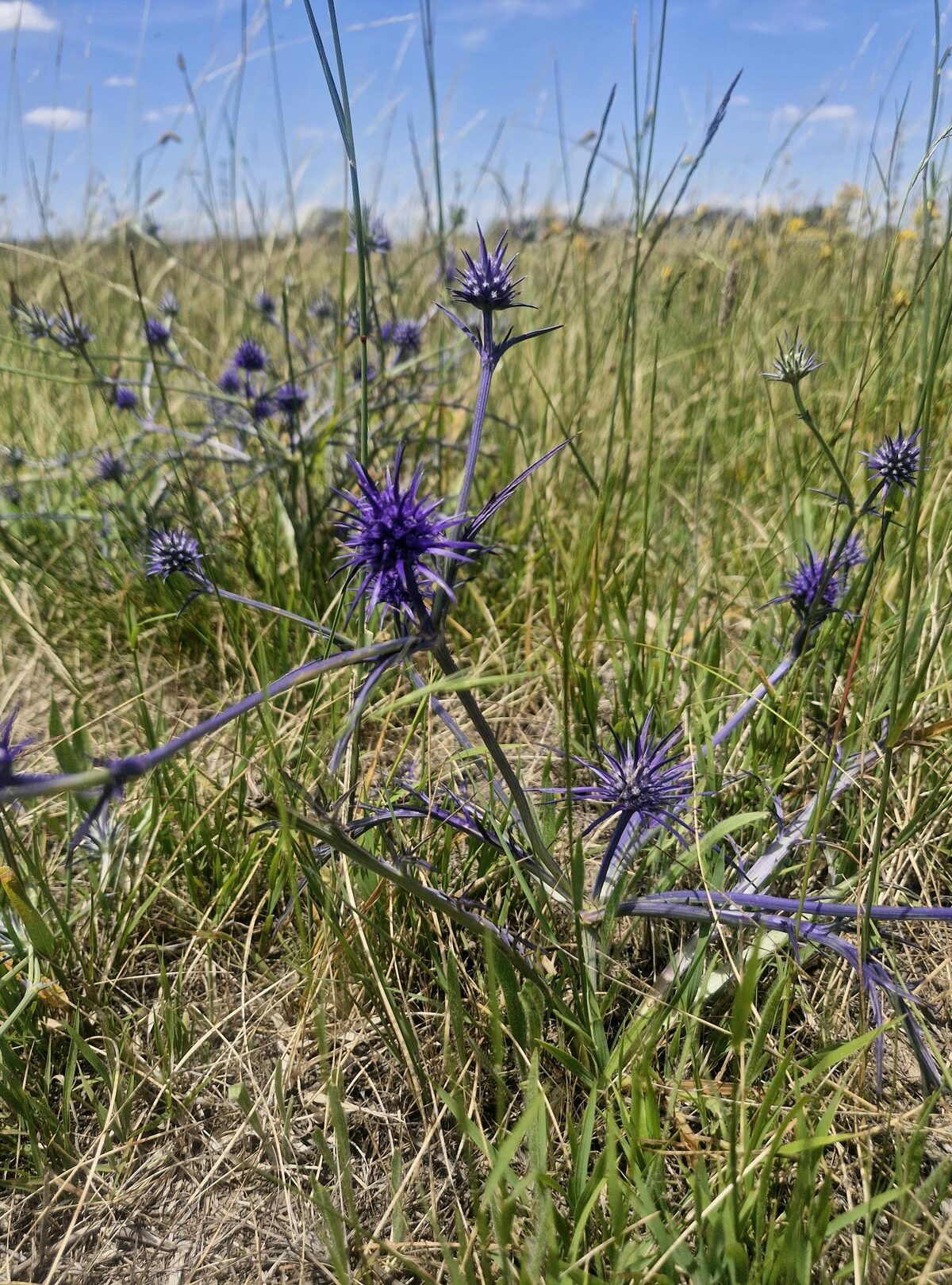
Amaroo Conservation Reserve is an 18-hectare conservation reserve protecting some of Victoria's most significant native grassland ecosystems and threatened species. Since 2020, Australian Ecosystems has delivered the ongoing ecological management of the reserve, implementing a comprehensive land management program designed to restore biodiversity, improve habitat quality and protect nationally significant flora and fauna.
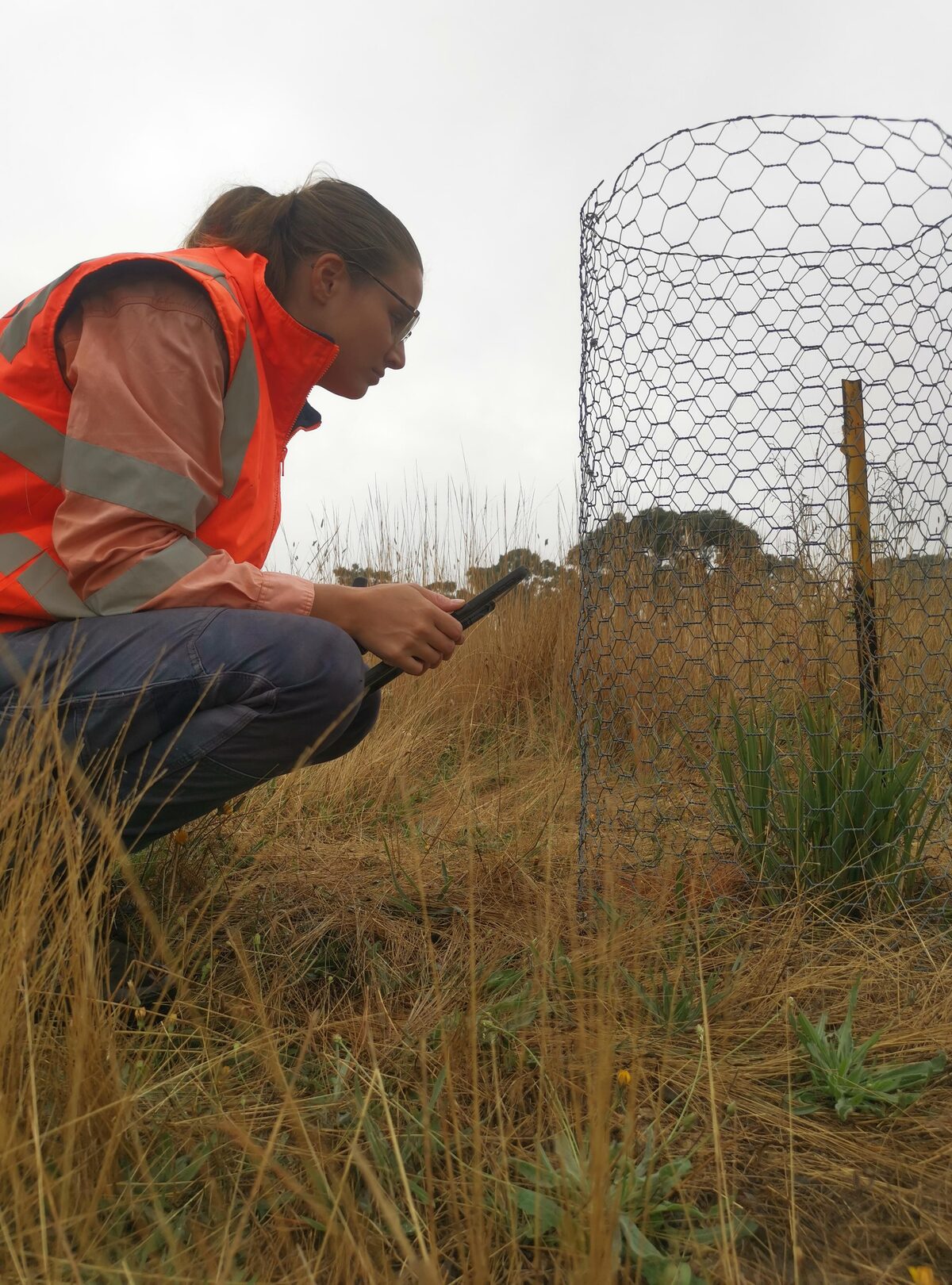
The reserve supports two species listed under the Commonwealth Environment Protection and Biodiversity Conservation Act (EPBC Act): the Matted Flax-lily (Dianella amoena) and the Golden Sun Moth (Synemon plana). A major achievement of the project was the successful translocation of four Matted Flax-lily plants from nearby development land into the reserve, with all plants surviving and thriving more than five years later.
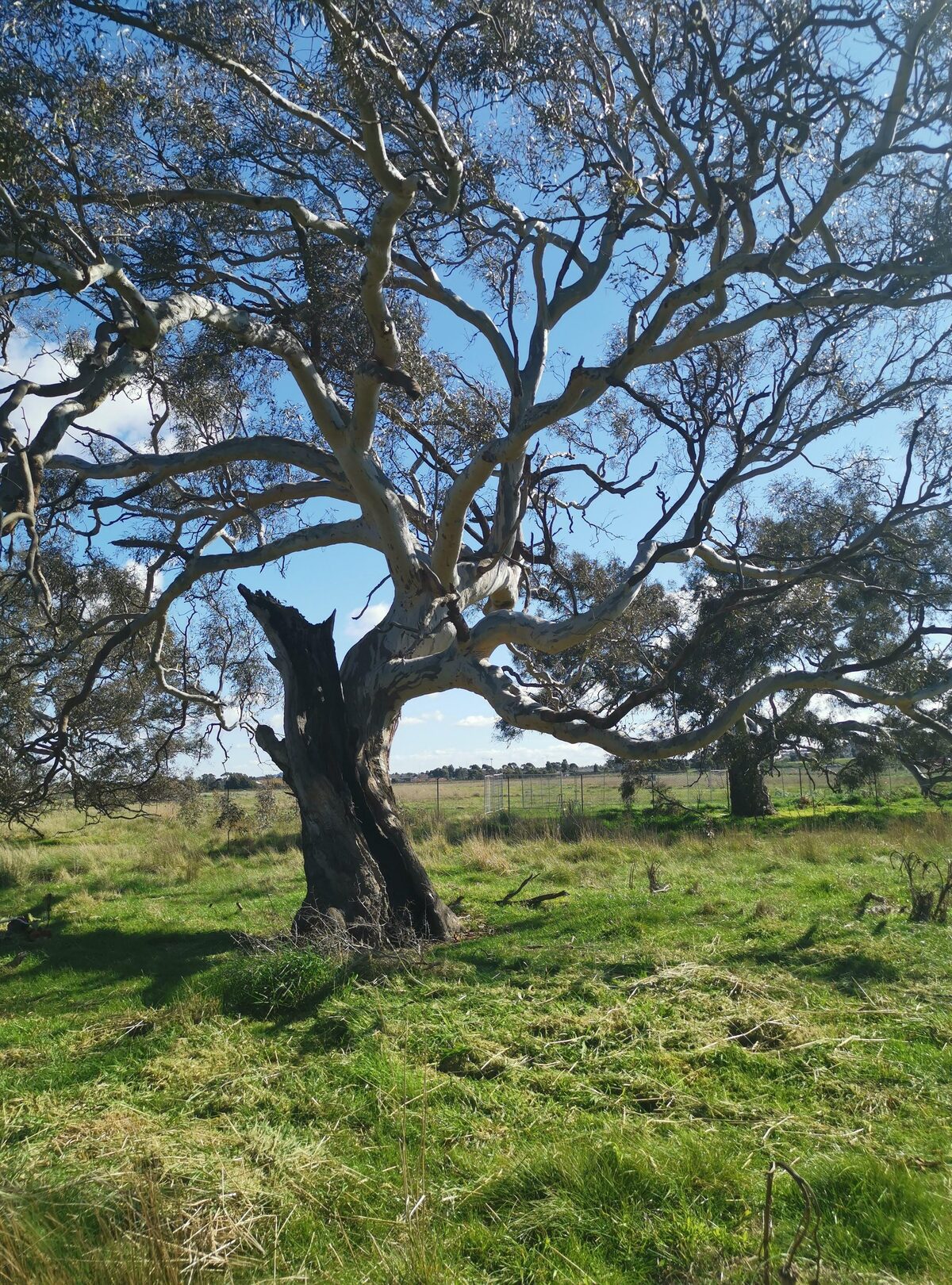
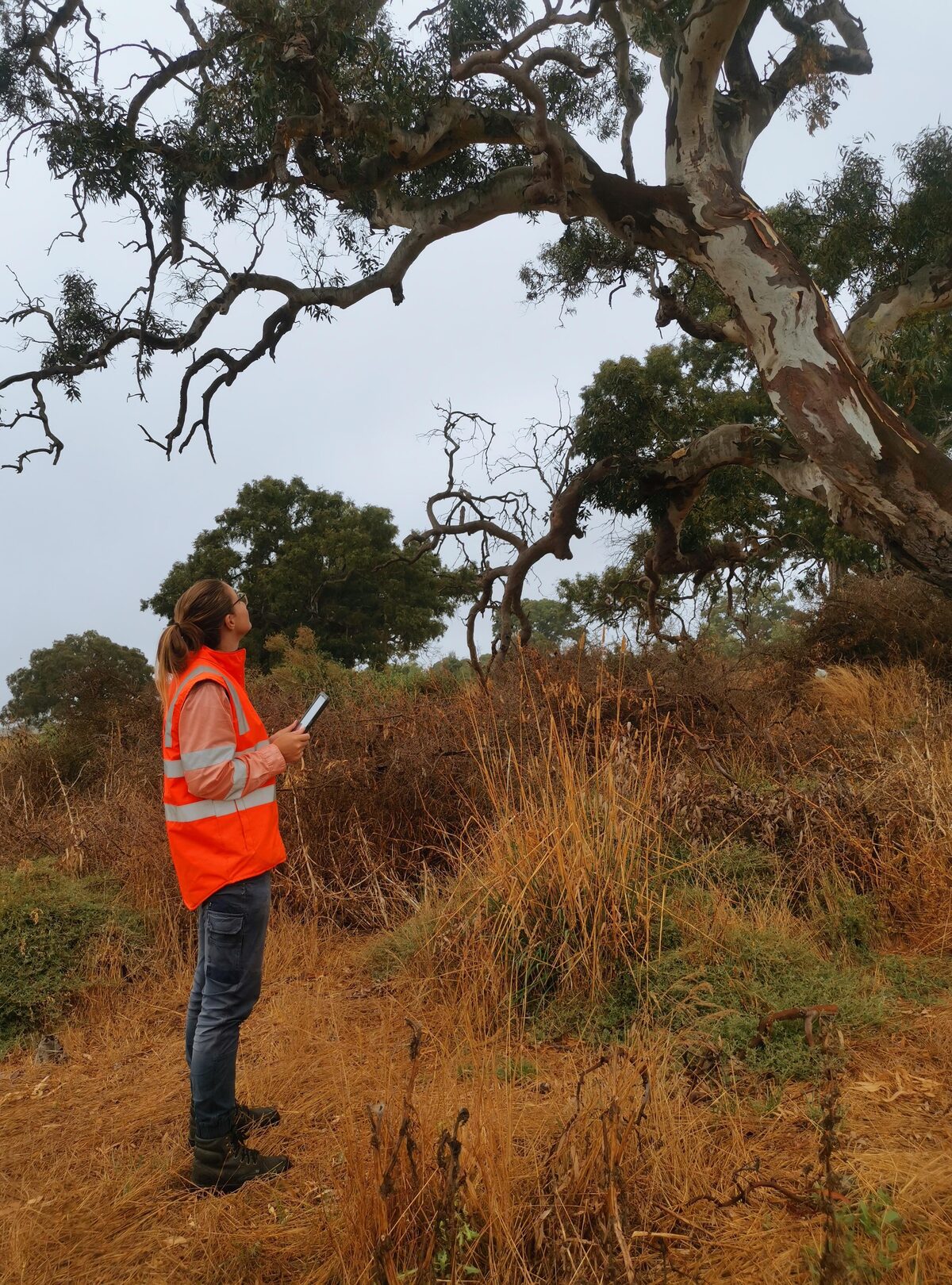
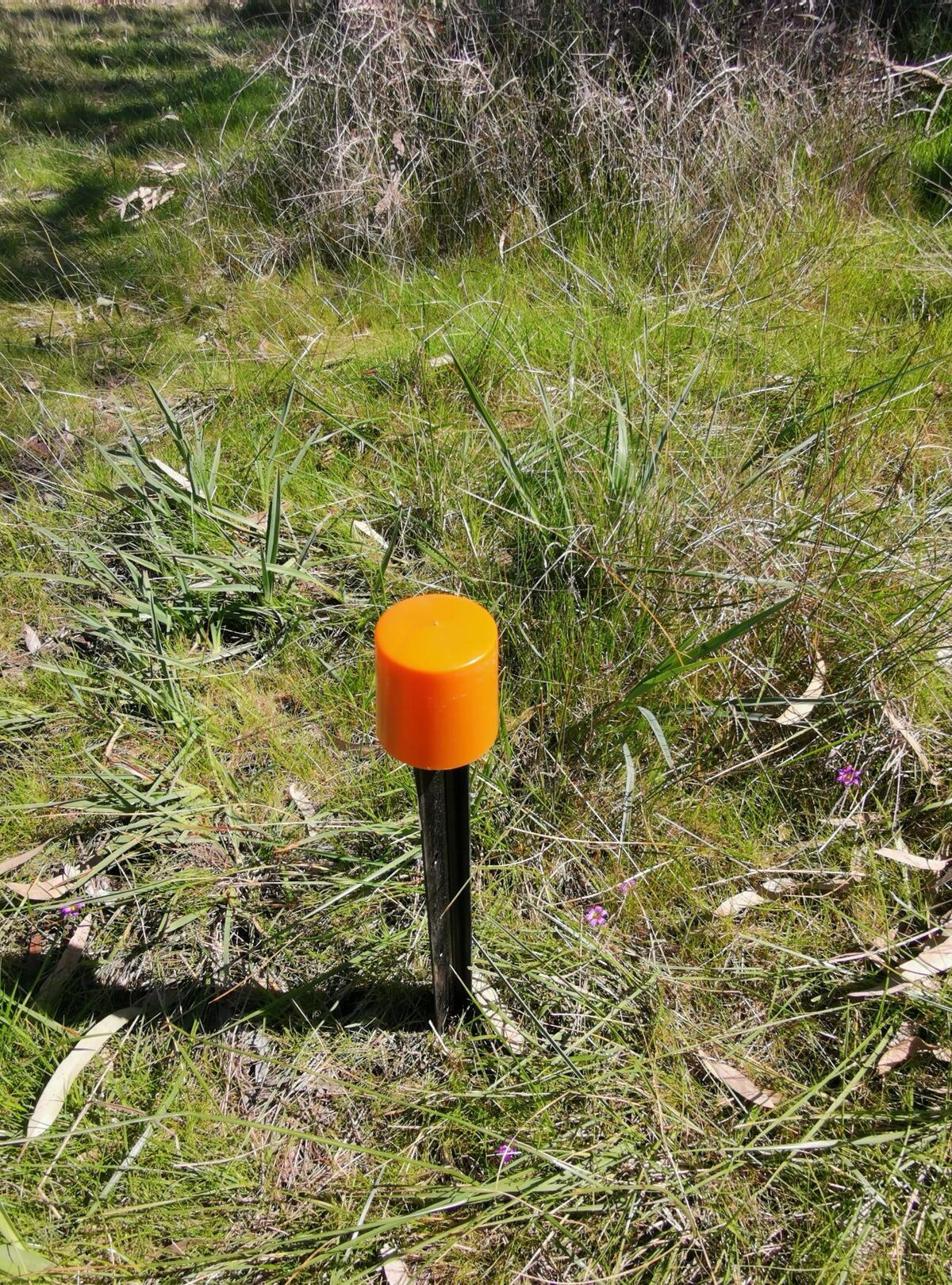
Our works include ecological burning, targeted weed control, native seeding, supplementary planting, pest animal control, habitat management for the Golden Sun Moth, monitoring of threatened flora, protection of mature River Red Gums, fencing and ongoing ecological monitoring.
Objective
- Protect nationally threatened Matted Flax-lily populations.
- Enhance habitat for the endangered Golden Sun Moth.
- Restore indigenous Plains Grassland and Plains Grassy Woodland communities.
- Reduce invasive weeds and pest animal impacts.
- Increase native vegetation cover through seeding and planting.
- Improve long-term ecological resilience using ecological burning and adaptive management.
- Deliver a healthy conservation reserve for future generations.
Services Delivered
- Ecological burning
- Weed & pest animal control
- Native seeding & planting
- Threatened flora monitoring
- Habitat management
- Fencing & ecological monitoring
Project Partners
Restoration Results
Through adaptive management and long-term stewardship, the reserve continues to improve in ecological condition, providing critical habitat for threatened species while creating a resilient conservation asset that will protect biodiversity for generations to come.
The translocated Matted Flax-lily plants have survived and thrived more than five years on, and continued ecological burning, weed control and monitoring have strengthened the indigenous grassland communities and the habitat that supports the Golden Sun Moth.
Project Video
Explore Other Projects
- Details
- Written by: Regen Administrator
- Category: Projects
- Hits: 147
Amaroo Offset
Overview
Vegetation offset delivery for a major residential development.
Detailed project write-up coming soon.